How to tell if your phone’s battery is fake based on the weight
The Weight of Integrity: Why Mass Matters in Mobile Repair
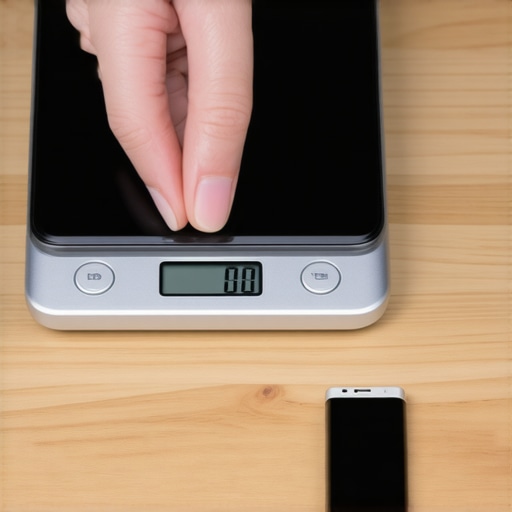
As a master glazier with over 25 years of experience handling everything from residential sash replacements to high-performance curtain walls, I have developed a specialized intuition for material density. In my world, a rough opening that is out of square by even an eighth of an inch is a failure, and the same principle applies to the technical components of our mobile devices. When you are performing a chip repair or seeking a same-day battery replacement, the most reliable diagnostic tool you have isn’t a software suite; it is a high-precision digital scale. Just as I can tell the difference between a double-strength 1/8-inch pane and a single-strength 3/32-inch pane simply by the heft, the weight of a lithium-ion battery tells the story of its internal chemistry and safety. In the mobile service industry, just like in glazing, there are ‘caulk-and-walk’ technicians who will try to sell you a lightweight, low-capacity imitation under the guise of an OEM part.
The Narrative Matrix: A Lesson in Technical Scrutiny
I am reminded of a specific incident that illustrates why technical parameters cannot be ignored. A homeowner once called me in a panic because their new windows were ‘sweating’ and forming ice on the interior glazing bead. I walked in with my hygrometer and showed them the humidity was 60%, and the windows were actually performing exactly as designed by keeping the cold out—it was their lifestyle and lack of ventilation that was the issue. I bring this same level of investigative rigor to tech. When a client tells me their ‘new’ battery is failing, the first thing I do is pull it out and put it on the scale. A battery is not just a power cell; it is a carefully managed chemical reactor. If the mass isn’t there, the safety and longevity won’t be either.
“Installation is just as critical as the window performance itself. A high-performance window installed poorly will fail.” – AAMA Installation Masters Guide
The Physics of Density: Lithium vs. Filler
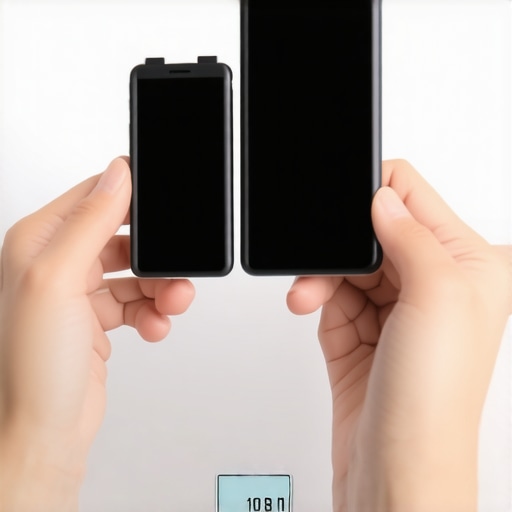
Why does weight correlate with quality? In the world of glass, we look at the specific gravity of the melt. In the world of batteries, we look at the density of the lithium-cobalt oxide. A genuine battery for a modern smartphone has a very specific mass range. For example, an iPhone 12 battery should weigh approximately 39 to 40 grams. Fake batteries often weigh 15% to 20% less. Why? Because high-density lithium is expensive. Scammers will use less active material and fill the rough opening of the battery casing with plastic spacers or even small lead weights to fool the casual observer. However, the weight of a lead-filled fake is often unevenly distributed compared to the uniform density of a genuine cell. As a glass installer, I check for the ‘roll’ in tempered glass; as a tech specialist, I check for the center of gravity in the battery. If the component feels ‘off,’ the internal chemistry is likely compromised, leading to premature voltage sag and potential thermal runaway.
The North Climate Logic: Thermal Mass and Performance
In cold climates like Chicago or Minneapolis, the weight of your components becomes even more critical. Cold temperatures slow down the chemical reactions within a battery. A fake battery with lower thermal mass will reach its ‘dew point’ equivalent—the temperature where it can no longer sustain a charge—much faster than a dense, high-quality OEM cell. We see this in glazing all the time. A window with a low U-Factor (lower is better) and a proper warm-edge spacer manages heat loss by maintaining the temperature of the interior glass surface. Similarly, a high-quality battery has enough internal mass to resist rapid temperature fluctuations. When you are out in the cold, a fake, lightweight battery will drop from 40% to 0% in minutes because it lacks the chemical stability to handle the thermal load. I always tell my apprentices that a window is a hole in the wall you are trying to manage; a battery is a fire you are trying to contain. You don’t skimp on the materials for either.
Technical Decoding: U-Factor, SHGC, and Energy Density
When we look at an NFRC label on a window, we see the U-Factor and the Solar Heat Gain Coefficient (SHGC). In mobile tech, we should look at Watt-hours per Kilogram (Wh/kg). If the advertised capacity is 3000mAh but the weight is only 30 grams, the math doesn’t work. It’s like a salesman promising a triple-pane window that weighs the same as a single-pane; the physics don’t support the claim. A same-day repair should never mean a shortcut on quality. During a mobile service call, I make sure to use a sill pan equivalent—a protective barrier—to ensure no static discharge occurs, and I always verify the weight of the replacement part against the manufacturer’s spec sheet. We use flashing tape and weep holes to manage water in windows; we use precise tolerances and weighted audits to manage energy in phones.
“Thermal performance is a function of both material science and the physical integrity of the seal.” – NFRC Performance Standards
Blueprint for Verification: The Master’s Checklist
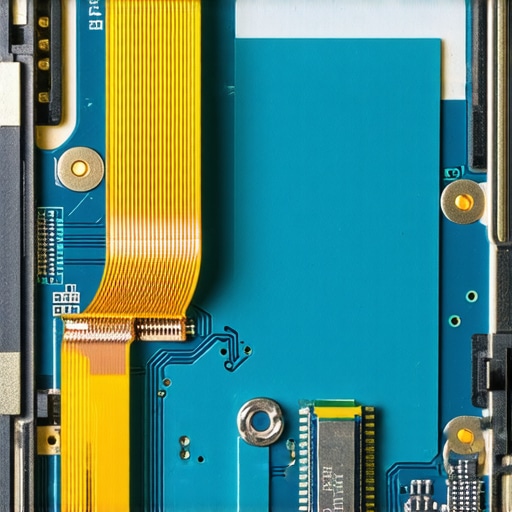
To ensure you aren’t being duped, follow this protocol. First, ask your glass installer or technician for the weight specs. If they don’t know them, they are a ‘Tin Man’ salesman. Second, inspect the operable parts of the battery—the ribbon cable and connectors. Are they flimsy? Do they lack the rigidity of a muntin in a high-end wood window? Finally, look at the casing. A genuine battery casing is usually made of a high-grade polymer or aluminum that feels cold to the touch, reflecting its thermal conductivity, much like how Surface #3 Low-E coatings reflect long-wave infrared radiation back into a room during a Minneapolis winter. [IMAGE_PLACEHOLDER] In conclusion, whether you are sealing a rough opening with flashing tape or replacing a phone screen, the quality of the materials is paramount. Don’t let a ‘caulk-and-walk’ tech ruin your device with a lightweight fake. Demand density, demand precision, and always trust the scale over the sticker.