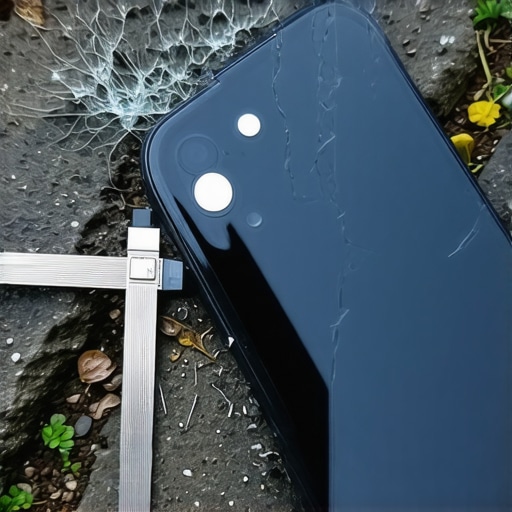
How to handle a phone with a shattered back
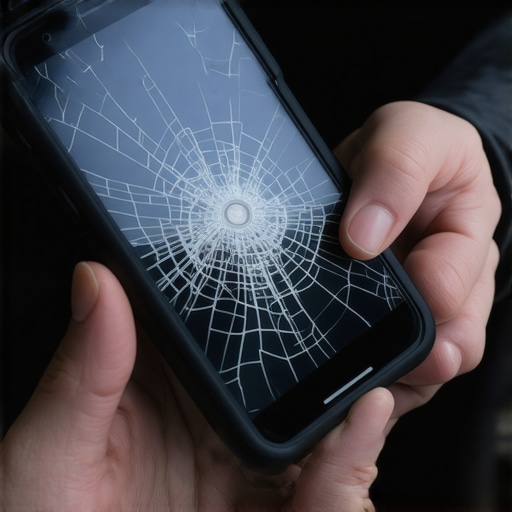
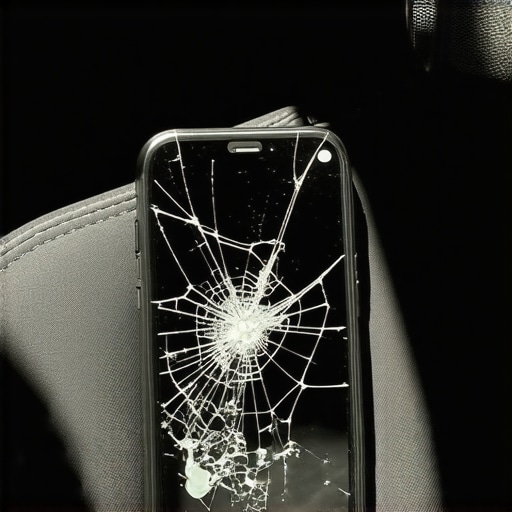
The sound of structural failure is a sickening crunch. Whether it is a 48 inch by 96 inch insulated glass unit in a storefront or the aluminosilicate lite on the rear of a flagship smartphone, the physics of fracture remains constant. When you handle a phone with a shattered back, you are not just looking at a cosmetic blemish: you are looking at a compromised envelope. As a master glazier, I have spent decades analyzing the integrity of glass under stress, and a mobile device is essentially a micro-scale curtain wall. When that rear lite fails, the internal components are suddenly exposed to the same environmental threats as a building with a missing sash.
The Condensation Crisis: A Master Glazier’s Narrative
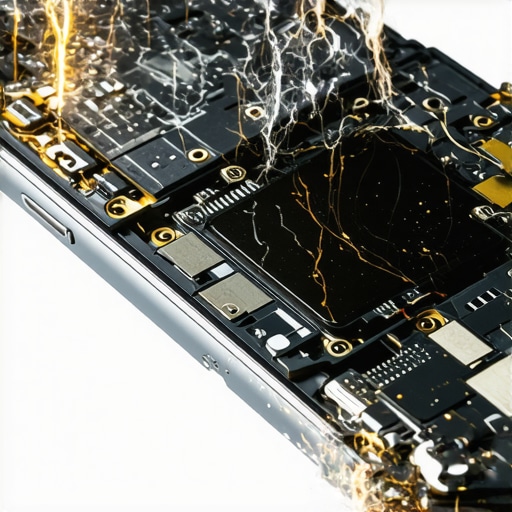
A client recently brought me a high-end device after a botched DIY attempt. They had used a cheap adhesive and a hairdryer to swap their own back glass. Within forty-eight hours, they were in a panic because their camera lenses were foggy. I took one look at it with my hygrometer and a macro-scope. It was the classic condensation crisis. By failing to create a hermetic seal, they had trapped ambient humidity inside the chassis. The moment the phone’s processor heated up, that moisture evaporated and then condensed on the coldest surface: the interior of the camera lens. I had to explain that a phone, much like a dual-pane window with a failed seal, requires a controlled environment during the glazing process. It was not the glass that failed; it was the installer’s inability to manage the dew point within the rough opening of the device frame.
“Installation is just as critical as the window performance itself. A high-performance window installed poorly will fail.” – AAMA Installation Masters Guide
The Anatomy of Mobile Aluminosilicate
To understand the shattered back, we must look at the material science. Most modern mobile glass is chemically strengthened through an ion-exchange process. Larger potassium ions are forced into the glass surface, replacing smaller sodium ions to create a state of high compression. This compression is what allows the glass to survive a drop, but it also means that once a crack penetrates the compression layer, the internal tension causes the glass to spider-web or even explode into small fragments. This is not unlike tempered safety glass used in commercial entryways. When you see a chip, you are looking at a focal point of stress that will eventually lead to a total failure of the lite. A professional glass installer understands that chip repair in this context is often a temporary measure compared to a full-frame replacement.
The Installation Autopsy: Why Mobile Service and Proper Seals Matter
When a professional glass installer approaches a shattered back, we perform an autopsy of the previous seal. The rear lite is the primary defense against moisture ingress. In our industry, we talk about the Shingle Principle: the idea that water must always be shed away from the interior. On a phone, the bezel acts as the drip cap. If the new glass is not seated perfectly within the rough opening, or if the glazing bead of adhesive is inconsistent, the IP rating is void. Most mall kiosks use a ‘caulk-and-walk’ method, applying a generic cold-press adhesive and calling it a day. A master glazier knows that for a true same-day service to be effective, the adhesive must reach its initial set under specific pressure and temperature to ensure the ‘weep holes’ of the chassis—the speakers and charging ports—remain the only points of air exchange.
“The air barrier must be continuous across the entire building envelope to prevent thermal bridging and moisture infiltration.” – ASTM E2112 Standard Practice
Thermal Logic and Material Expansion
For those in hotter climates like Phoenix or Miami, the Solar Heat Gain Coefficient (SHGC) of your device matters. While we do not usually tint phone glass, the thermal conductivity of the rear lite is essential for heat dissipation. If you replace a shattered back with an inferior plastic-composite ‘glass,’ you are essentially installing a thermal blanket over the battery. This leads to internal overheating. The coefficient of thermal expansion in a mobile device is tight. The glass must expand and contract at nearly the same rate as the aluminum or steel frame. If the installer does not use a shim-like precision when centering the lite, the glass will eventually crack again just from the thermal stress of charging. This is why we insist on using OEM-spec glass that matches the original thermal properties of the device.
The Math of Mobile Repair
Many consumers look at a shattered back and see a simple aesthetic fix. However, the ROI of a professional installation is found in the longevity of the device. A same-day mobile service that utilizes a laser-removal system is the only way to ensure the rough opening is clean. If any residue from the old glazing tape remains, the new lite will not sit flush. This creates a lip that is prone to catching on fabric and shattering again. We don’t just ‘stick’ the glass on; we ensure the substrate is structurally sound. Whether it is a skyscraper or a handheld computer, the glass installer’s job is to manage the transition between the interior and the exterior. Do not trust your device to a ‘Tin Man’ salesman who promises a five-minute fix. Quality glazing takes precision, clean-room conditions, and an understanding of the material’s limits.
{“@context”:”https://schema.org”,”@type”:”HowTo”,”name”:”How to handle a phone with a shattered back”,”step”:[{“@type”:”HowToStep”,”text”:”Assess the extent of the fracture to determine if it has penetrated the compression layer.”},{“@type”:”HowToStep”,”text”:”Seal the shattered area with clear tape to prevent glass shards from shedding and moisture from entering.”},{“@type”:”HowToStep”,”text”:”Consult a professional glass installer who uses laser-guided removal for the rear lite.”},{“@type”:”HowToStep”,”text”:”Ensure the replacement glass is an aluminosilicate match to maintain thermal dissipation.”},{“@type”:”HowToStep”,”text”:”Verify the hermetic seal after installation to prevent internal condensation.”}]}