How to find a mobile tech who won’t scratch your dashboard
The Ghost in the Glass: Why Your Mobile Technician is Your Biggest Risk
In the world of architectural glazing, we often say that a window is only as good as the person who shims it. The same logic applies to your vehicle. I have spent over twenty-five years managing the delicate dance between glass and structural frames, and I have seen it all. I recall a specific instance where a homeowner called me in a panic because their new windows were ‘sweating.’ I walked in with my hygrometer and showed them the humidity was 60 percent. It wasn’t the windows; it was their lifestyle. They were boiling water without ventilation and had the HVAC system set to a setting that invited moisture. That same level of diagnostic precision is required when you hire a glass installer for your car. If they do not understand the environment they are working in, they are going to fail you. When we talk about mobile service for a chip repair or a full replacement, we are not just talking about glass. We are talking about the integrity of the dashboard, the urethane bond, and the complex electronics nestled beneath the cowl. A technician who approaches your car with a ‘caulk and walk’ mentality is a danger to your property. They see a chip; I see a breach in the structural integrity of a laminated system that must withstand positive and negative wind pressures while managing solar heat gain. If you are looking for same-day service, you must ensure that speed does not override the physics of the installation.
“Installation is just as critical as the window performance itself. A high-performance window installed poorly will fail.” – AAMA Installation Masters Guide
The Physics of the Dashboard: Heat, SHGC, and Vulnerability
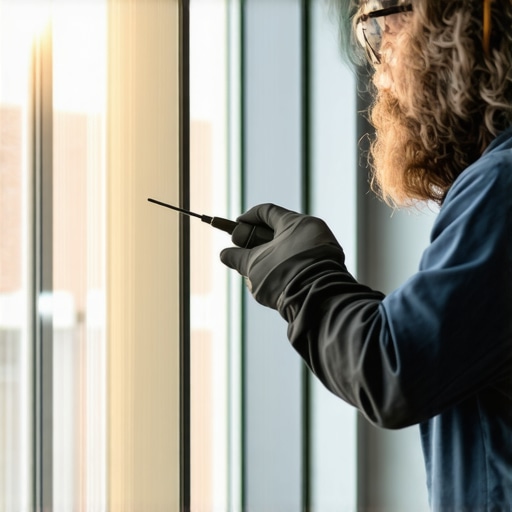
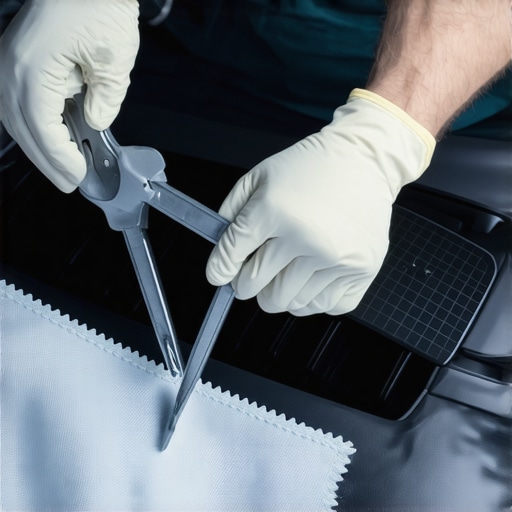
To understand why dashboards get scratched, you have to understand the thermal logic of a car interior, especially in southern climates like Texas or Florida. The Solar Heat Gain Coefficient (SHGC) of your windshield determines how much radiant heat enters the cabin. On a hot day, the glass acts as Surface #2, reflecting some infrared radiation but allowing enough through to raise the interior temperature to 140 degrees Fahrenheit. At these temperatures, the vinyl or plastic of your dashboard reaches its glass transition temperature, becoming soft and highly susceptible to mechanical damage. A mobile service technician who arrives in the heat of the afternoon and begins prying at a glazing bead without proper protection is guaranteed to leave a mark. They are working with steel tools against a substrate that has the structural integrity of warm butter. This is why a master glazier always uses a sill pan logic even in auto glass. You must protect the rough opening. In the auto world, that means using heavy-duty dash protectors or nylon pry tools that have a lower Rockwell hardness than the dashboard material itself. If your tech pulls out a rusty flathead screwdriver to remove your trim, send them home. They do not respect the physics of the material.
The Chip Repair Trap: Refractive Index and Surface Tension
Many people think a chip repair is just about filling a hole. It is actually about managing the refractive index of the glass. The glass installer must inject a resin that matches the light-bending properties of the original laminated pane. This process requires a clean environment. If the tech is doing mobile service on a windy day, dust and particulates can enter the break. Once that resin is cured by UV light, those particles are locked in forever, creating a visual occlusion that can be distracting or even dangerous. Furthermore, the resin curing process is exothermic. If it is done too quickly or in direct sunlight without a shade, the rapid heat expansion can turn a small chip into a full-length crack before the technician even finishes their coffee. You want a tech who understands the dew point and the ambient temperature. If there is moisture in the chip, it must be evacuated. If it is not, the resin will not bond, and the next time the temperature drops, the expansion of that trapped water will pop the repair like a bad weld. We see this in architectural glazing all the time when installers ignore weep holes. Water always wins. If your technician does not use a vacuum-seal injector to pull the air out of the rough opening of that chip, they are not doing a professional job.
The Autopsy of a Bad Installation: What Went Wrong?
When I perform an autopsy on a failed installation, the first thing I look at is the flashing tape, or in the case of a car, the urethane bead. A windshield is a structural component of the vehicle. It contributes to the roof crush strength. If a mobile tech uses a ‘same-day’ urethane that is not rated for the specific temperature and humidity of the day, the bond will be compromised. I have seen dashboards scratched because the tech was using a cold knife to cut the old seal and the blade slipped because the urethane was too cold and hard. A professional knows to use a wire-cut system that avoids the dashboard entirely. This is the difference between a glazier and a tinkerer. The glazier understands that the sash must be perfectly aligned within the frame to ensure that no air or water can bypass the seal. If the tech does not clean the pinchweld with a proper primer, the glass will eventually leak, leading to rot in the metal frame that is hidden beneath the paint. This is the exact same failure I see in residential windows where the installer relied on the nailing fin instead of proper flashing. The damage is hidden for years until the rust or rot becomes a structural crisis.
“Standard Practice for Installation of Exterior Windows, Doors and Skylights must be adhered to regardless of the mobility of the service station.” – ASTM E2112
How to Vet Your Mobile Glass Professional
How do you find the right person? You ask about their tooling and their process. A technician who cares about your dashboard will lead with their protection strategy. They will talk about their wire-out tools and their dash mats. They will explain why they cannot perform the repair in the rain or in direct 100-degree sun. They are the ones who understand that the glazing bead and the muntins of the car, the trim pieces, are fragile and expensive to replace. Look for a tech who mentions the NFRC ratings or the specific U-factor of the replacement glass they are using. Even if they are just doing a chip repair, their knowledge of the material science tells you they are a professional. Do not be swayed by the ‘Tin Man’ salesman who promises the lowest price. In the glass world, you get what you pay for. A cheap repair today is a new windshield and a ruined dashboard tomorrow. You want a tech who treats every job like a high-rise curtain wall installation, where the tolerances are measured in millimeters and the stakes are life and death. If they don’t have a torque wrench for your wiper arms or a vacuum to clean out the glass shards from your vents, they are not a master of the craft. They are just a guy with a van. Always demand a technician who understands that the glass is just one part of a complex thermal and structural system.