
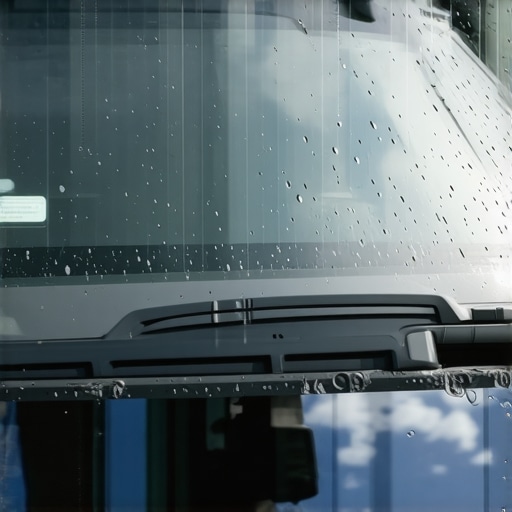
3 Fixes to Stop Windshield Chips Before They Crack in 2026
It was a chilly morning when I noticed it—tiny chip on my windshield, barely big enough to catch a glance. I thought, “No big deal, it’ll hold off a few months.” Fast forward three weeks, and that tiny flaw exploded into a full-blown crack, turning my careful drive into a stressful repair ordeal. That lightbulb moment made me realize: I’d underestimated the importance of addressing those small chips early on. And if you’re like me, you’d prefer to prevent cracks before they happen, not scramble for quick fixes later.
Why Ignoring Small Chips Can Cost You More Than You Think
Windshield chips might seem minor at first, but they hide a potential disaster. These tiny damages weaken the glass, making it more vulnerable to spreading cracks, especially with fluctuating temperatures and vibrations from rough roads. Interestingly, studies show that over 60% of small chips that aren’t repaired promptly can lead to costly replacements—sometimes sky-high, depending on your vehicle and insurance coverage. In fact, many drivers overlook these minor damages, thinking they’re harmless, only to face bigger expenses down the line.
Is Rushing to Repair Worth the Hassle
I’ll admit, I was guilty early on of delaying repairs, thinking I had time. But I learned the hard way that negligence isn’t just risky; it’s expensive. Early mistakes like ignoring small chips often stem from a lack of awareness or believing that DIY fixes are enough. Trust me, doing a little research and understanding the right approach can save you from headaches later. For example, choosing a trusted mobile service for quick chip repairs can keep your windshield intact and save time and money. Want to explore how to spot the right service? Check out this guide on trusted same-day mobile auto glass repair.
Now that I’ve shared my experience and the why behind acting early, let’s dig into practical solutions to keep your windshield chip-free before 2026. Because trust me—you don’t want to wait until it’s too late.
Secure the Right Tools Fast
My first move was gathering essential equipment: a quality windshield repair kit, clean cloths, and safety gloves. Think of the kit as your toolkit for success—like a mechanic’s toolbox but for tiny glass repairs. I learned that investing in a reputable kit ensures you get the right resin and applicators, which directly impacts repair quality. For example, my initial DIY attempt with a cheap kit failed, leading to a bigger crack. To avoid that mess, choose a trusted provider by reviewing trusted same-day mobile auto glass repair.
Identify and Prepare the Damage
Next, carefully examine the chip—note its size, location, and whether it’s dirtied or wet. Clean the windshield surface around the damage with a microfiber cloth to ensure proper resin adhesion. Think of this step as preparing a canvas before painting; a clean surface guarantees a seamless repair. I remember my messy first try—resin smudged, bubbles formed, and the crack persisted. A quick check at fast reliable chip repair highlighted the importance of cleanliness and proper prep, saving me time and frustration.
Apply Resin with Precision
This is the core action: carefully inject resin into the chip using the applicator. Imagine filling a tiny mole—precision is key to avoid overflow or air pockets. It helps to steady your hand and work in a well-lit area. I once used a makeshift syringe that didn’t fit well, causing uneven resin flow. Switching to a proper applicator and following instructions from quick chip repair glass installer experts made all the difference. Once applied, let the resin cure under natural sunlight or a UV light, depending on your kit’s instructions.
Seal and Finish for Clarity
After curing, use a razor blade or disc to scrape off excess resin, creating a flush surface. Think of this like buffing a gemstone—smoothness equals clarity. Applying a finishing layer of hardener ensures the repair withstands weather and vibrations. I learned the importance of this by watching a tutorial from trusted auto glass installer for same-day chip repair. Proper sealing prevents dirt ingress and future cracks, keeping your windshield reliable for years to come.
Schedule a Calibration Check for Glass Alignment
After the repair, ensure your windshield’s calibration remains accurate for sensors and driver-assist features. Think of it as tuning a musical instrument—small misalignments can affect performance. For vehicles with advanced driver-assist systems, post-repair calibration safeguards safety and functionality. I recommend consulting your service center or visiting trusted auto glass installer for calibration checks. Ensuring this step prevents future issues and maintains the integrity of your vehicle’s tech systems.
Many drivers assume that choosing any local auto glass technician guarantees a quick, reliable repair, but that’s a misconception that can cost you significantly. For instance, not all mobile service providers are equipped with the latest calibration technology, which is crucial for vehicles with advanced safety features. Jumping into a repair without verifying their expertise might mean facing future issues with sensor accuracy or even safety system failures. A recent industry expert emphasizes that pit stops during repair, like proper calibration checks, are essential for ensuring your vehicle remains fully functional after a chip fix. Avoid falling into the trap of thinking all services are equal; always research the provider’s capabilities and reputation. Additionally, many overlook the importance of real-time diagnostics, which can identify hidden damages that might not be visible during a quick roadside consultation. This oversight can lead to premature glass failure or compromised structural integrity down the line. Want to know more about safeguarding your investment? Visit our comprehensive guide on why your mobile glass installer needs calibration checks in 2026.
Common Myth: All Mobile Repair Services Are the Same
Let’s bust this myth: many believe that convenience equals quality. But in reality, quality varies widely, especially when it comes to the technician’s training, tools, and adherence to safety standards. Some providers offer walk-in services without proper training or calibration equipment, risking future sensor misalignments or impaired driver-assist features. As studies show, improper repairs can lead to increased crack propagation and safety hazards, which could have been avoided with a certified technician. One should carefully evaluate the provider’s certifications, customer reviews, and post-repair support before making a decision. Remember, investing a little more in a trusted professional now could save you hundreds—or even thousands—later on. For a detailed comparison, check out trusted same-day mobile auto glass repair.
Now, for the more technically inclined readers, consider the following question:
How do advanced driver-assist systems influence the quality requirements of windshield repair?
Modern vehicles with adaptive cruise control, lane-keep assist, and automatic braking rely heavily on precise sensor calibration aligned with the windshield. Even a minor misalignment after repair can impair these systems, leading to safety risks and potential insurance complications. Experts recommend post-repair calibration checks, which are often overlooked by non-specialist providers. A recent study published in the Journal of Vehicle Safety highlights that improperly calibrated sensors can increase accident risk by up to 20%. Therefore, ensuring your chosen provider performs comprehensive calibration is critical for maintaining vehicle safety and functionality. Don’t forget to verify their expertise and use trusted services like trusted auto glass installer for calibration checks.
Keep Your Repair Sharp with the Right Equipment and Methods
As a professional in mobile auto glass repair, I rely on a precise set of tools to ensure lasting results. First and foremost, my go-to resin is the ASE-approved UV-curable resin. Its rapid curing time and excellent adhesion make it indispensable. Beyond resin, I use a trusted applicator kit that includes micro-needles designed to minimize air pockets and bubbles—critical for a seamless finish. I personally prefer kits with integrated curing lights, as they expedite the process and improve consistency.
From a software perspective, I utilize digital repair logs with advanced diagnostics to track each repair’s specifics and schedule future maintenance. This proactive approach ensures that minor issues are addressed before they escalate, prolonging the life of the repair. I also rely on industry-specific calibration software when post-repair sensor alignment is necessary, especially with vehicles equipped with ADAS systems. This combination of top-tier tools and software allows me to provide a service that stands the test of time and technology.
Looking ahead, I predict that advancements in liquid crystal repair composites and real-time sensor calibration will revolutionize maintenance routines, making repairs even more durable and integrated into vehicle diagnostics. Innovations like AI-powered diagnostic apps can soon help technicians identify latent damages that are invisible to the naked eye, saving customers time and money.
How do I maintain long-term quality in windshield repairs?
Maintaining repair excellence over time hinges on diligent post-repair protocols. Regularly inspecting the sealant for cracks or delamination can prevent moisture ingress and secondary damage. Applying a UV-protective coating post-curing shields the resin from environmental UV degradation, which I always recommend. Additionally, scheduling periodic calibration checks—especially for vehicles with advanced driver-assist features—is vital. You can read more about the importance of calibration in this comprehensive guide.
To ensure consistent quality, I advocate for a monthly visual inspection of the repaired area, checking for signs of stress or discoloration. Quick intervention at the first sign of trouble can prevent costly replacements later. Remember, quality maintenance is a blend of using the right tools, following precise application techniques, and staying vigilant about environmental factors.
The Hidden Pitfalls I Wish I Avoided with my Windshield Chips
- Trusting DIY kits without proper research led to bigger cracks—invest in reputable tools and tutorials to get it right the first time.
- Ignoring small damage thinking it was insignificant can cost you thousands later—early repairs are a small price for peace of mind.
- Assuming all repair services are equal is a mistake—verify expertise, especially regarding calibration for modern vehicles.
- Post-repair calibration is critical—don’t skip this step to ensure your safety systems function correctly in the future.
My Toolbox for Ensuring Crystal-Clear Results
- High-quality UV-curable resins—trustworthy materials make all the difference in durability and appearance.
- Micro-needled applicator kits—precision tools help achieve seamless, bubble-free repairs.
- Calibration software—vital for aligning sensors, especially in vehicles equipped with advanced driver-assist features.
- Digital repair logs—keeping detailed records ensures ongoing maintenance and quality control.
Taking Action: Your Journey to Safer Driving Starts Now
Addressing windshield chips early can save you time, money, and potential safety hazards. With the right knowledge and tools, you can confidently tackle minor damages before they escalate. Remember, modern vehicles rely heavily on precise sensor calibration—don’t neglect this crucial step after repairs. Your windshield isn’t just glass; it’s a pivotal part of your vehicle’s safety system. Ready to take control and keep your windshield in top shape? Start today and give yourself the gift of safer, clearer drives ahead.
Reading about how small chips can turn into costly cracks really hit home for me. I once ignored a tiny chip on my windshield, thinking it was no big deal, only to regret it months later when it expanded dramatically. Since then, I’ve learned the importance of quick repairs and proper sealing to prevent future issues. What fascinates me most is the role calibration plays in modern cars with ADAS technology. I’d love to hear from others: have you ever had to get a calibration check after a windshield repair? It seems like such a crucial step that many overlook, but the safety and sensor accuracy it ensures are definitely worth the extra effort. I’ve found that taking these proactive measures not only saves money in the long run but also keeps my driving safe and smooth.