The risk of ignoring a small crack in your phone’s back glass
The Deceptive Nature of the Cosmetic Chip
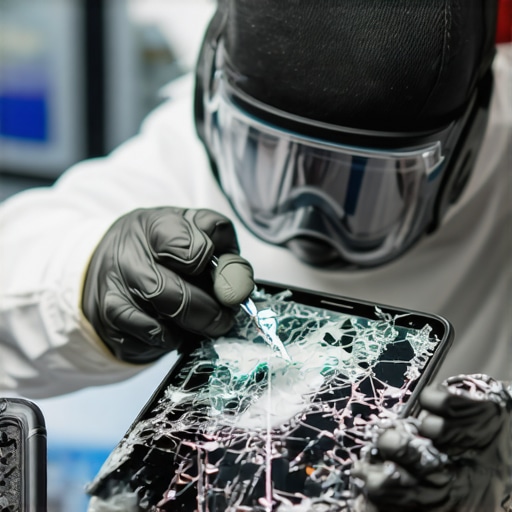
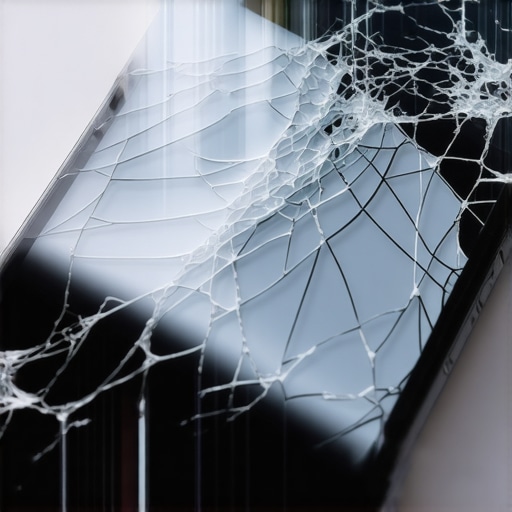
As a glazier who has spent nearly three decades analyzing the structural integrity of everything from curtain walls to high-performance residential glazing, I look at a smartphone not as a gadget, but as a meticulously engineered pressure vessel. When someone shows me a small ‘spider-web’ crack on the back of their device, they usually see a minor aesthetic nuisance. I see a compromised building envelope. A smartphone’s chassis is designed to manage thermal expansion, moisture ingress, and structural loads. When the back glass—typically a specialized aluminosilicate or borosilicate material—is breached, the entire system’s resistance to environmental variables is reset to zero. This is not about a pretty phone; it is about the physics of glass failure and the inevitable degradation of the internal components.
The Condensation Crisis: A Master Glazier’s Perspective
A homeowner called me in a panic because their new windows were ‘sweating.’ I walked in with my hygrometer and showed them the humidity was 60 percent. It wasn’t the windows; it was their lifestyle. I see the exact same phenomenon with cracked mobile glass. I remember a client who brought me a device with a single, almost invisible hairline crack across the rear panel. They couldn’t understand why their rear-facing camera lens was perpetually foggy. Just like a failed seal in a double-pane Insulated Glass Unit (IGU), that crack had allowed the atmospheric dew point to reach the interior of the device. Every time they moved from their air-conditioned office into the humid summer air, the internal temperature shift caused moisture to precipitate directly onto the CMOS sensor. The glass wasn’t just ‘cracked’; it had lost its ability to regulate its own internal micro-climate. By ignoring that chip, they were essentially inviting a slow-motion flood into their most sensitive electronics.
“Installation is just as critical as the window performance itself. A high-performance window installed poorly will fail.” – AAMA Installation Masters Guide
The Physics of Sub-Critical Crack Growth
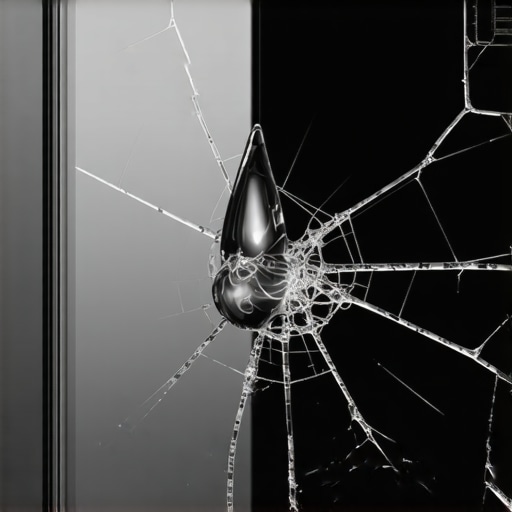
In the world of glazing, we talk about stress risers. A piece of tempered glass is a balance of internal tension and external compression. When you introduce a chip or a crack, you create a point of infinite stress concentration. This is what we call sub-critical crack growth. Even if the phone is sitting still on a desk, it is subject to vibration and thermal cycling. In a hot climate like Texas or Florida, the Solar Heat Gain on a dark-colored phone back can be immense. The glass wants to expand, but the rigid aluminum or stainless steel frame—the rough opening of your phone—constrains it. Because the glass is already compromised, it cannot distribute this thermal stress evenly. The crack will propagate, often at the most inconvenient time, such as when the device is being charged and internal temperatures rise, further stressing the material.
The Shingle Principle and Moisture Ingress
In high-end window installation, we follow the ‘Shingle Principle’: everything must overlap so that water is shed downward and outward. We use sill pans and flashing tape to ensure that even if the primary seal fails, the structure is protected. Your phone has no sill pan. It relies entirely on the perimeter adhesive, a specialized glazing bead of sorts, to keep the world out. A crack in the back glass bypasses this perimeter seal entirely. Capillary action—the same force that draws water up into a narrow straw—will pull sweat, rain, or even high humidity through that crack and directly onto the logic board. Once moisture enters, it begins a process of galvanic corrosion. The minerals in the water create tiny bridges between the microscopic traces on the circuit board, leading to short circuits that no software update can fix. This is why a mobile service for chip repair is a necessity, not a luxury.
“The air barrier must be continuous. Any breach, no matter how small, can lead to significant energy loss and structural damage over time.” – ASTM E2112 Standard Practice
The Thermal Expansion Trap
If you are in a southern climate, the enemy is Solar Heat Gain Coefficient (SHGC). You want to reflect that heat. On a smartphone, the back glass often acts as a heat sink or a radiator for the internal components. When the glass is cracked, the thermal conductivity of the rear panel changes. More importantly, the internal battery, which expands and contracts slightly during every charge cycle, begins to exert uneven pressure on the fractured glass. This is the ‘shim’ effect gone wrong. In window installation, we use shims to level the sash within the rough opening. In a phone, the battery is the substrate, and it is constantly pushing against the glazing. A cracked back glass cannot withstand this cyclic loading. Eventually, the structural integrity fails completely, potentially leading to a ‘blowout’ where the glass shards can actually puncture the battery casing—a catastrophic failure of the building envelope.
Why Same-Day Professional Glass Replacement Matters
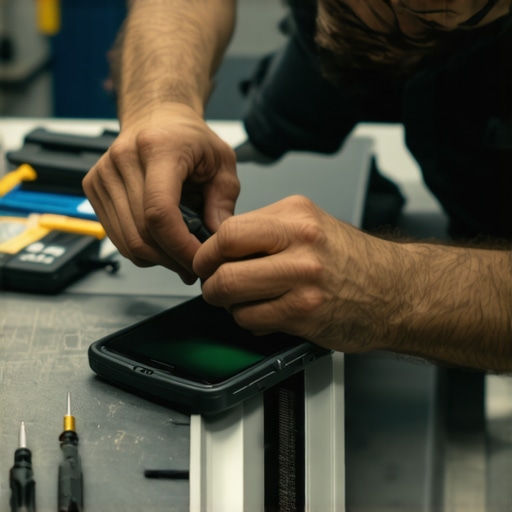
Many people think they can ‘caulk-and-walk’ their phone by putting a case over the crack. This is the equivalent of putting a tarp over a leaking roof and calling it a day. It doesn’t stop the moisture; it just hides the damage. A professional glass installer uses specific tools to remove the compromised panel without damaging the delicate internal gaskets. This process involves precise heat application to soften the structural adhesive, followed by a thorough cleaning of the mounting surface to ensure the new glass bonds perfectly. This is effectively a full-frame replacement for your device. If you don’t use a mobile service that understands the tolerances of the rough opening, you risk an improper fit that will leak air and moisture within weeks.
The Myth of the Temporary Fix
I have seen people try to use clear nail polish or tape to ‘seal’ a back glass crack. From a glazing perspective, this is laughable. These materials do not have the same thermal expansion coefficient as the glass. As the phone heats up, the ‘sealant’ will pull away, creating even larger gaps for moisture to enter via capillary action. The only real solution is a total replacement of the glazing unit. You need a glass installer who uses OEM-spec materials and adhesives that can handle the 100-degree shifts in temperature that a mobile device experiences daily. Don’t buy into the hype of DIY kits; they lack the specialized primers and curing lights needed to create a hermetic seal.
Conclusion: Protect the Envelope
A window is a hole in your wall that you’ve paid someone to manage. Your phone’s back glass is a hole in its chassis that the manufacturer has managed for you. Once that glass is cracked, the management system has failed. The risk isn’t just a cut finger; it’s the total loss of the device due to environmental infiltration. Treat your phone like a high-performance building. When the envelope is breached, call in a specialist for same-day chip repair or replacement. Precision matters. Physics doesn’t care about your schedule, and gravity always wins in the end. Secure the glazing, protect the substrate, and ensure the longevity of your investment before a minor crack becomes a terminal failure.