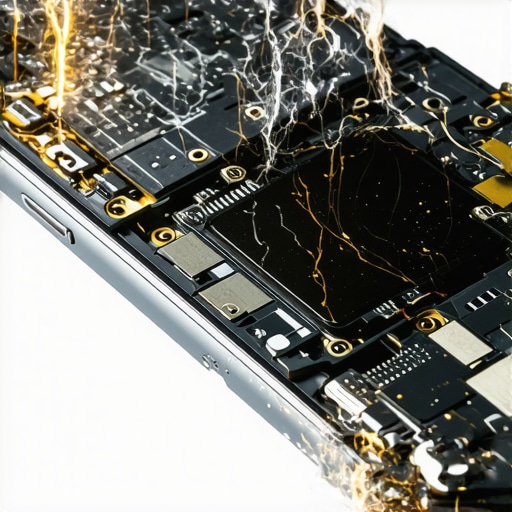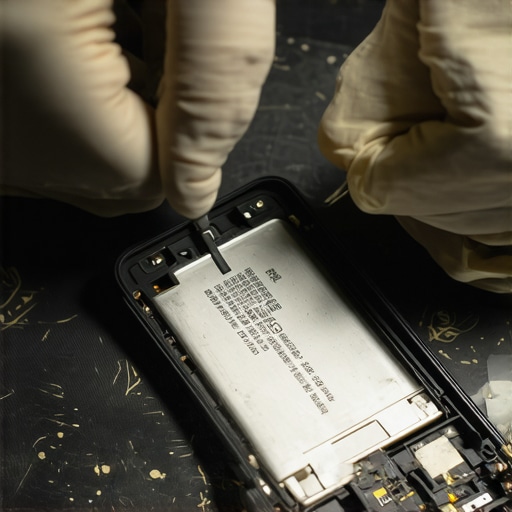
The danger of using a phone with a bulging battery in a hot car
The Greenhouse Effect in Modern Glazing
As a master glass installer with over 25 years in the trade, I have seen the devastating power of solar radiation firsthand. When you leave a smartphone in a vehicle on a summer afternoon, you are essentially placing it inside a high-efficiency thermal collector. The physics of this are unforgiving. Short-wave solar radiation passes through your windshield and side windows, striking the dark surfaces of your dashboard and upholstery. These surfaces absorb the energy and re-radiate it as long-wave infrared radiation. Because standard automotive glass is largely opaque to these longer wavelengths, the heat becomes trapped. This is the same principle we manage in high-rise curtain walls, yet in a vehicle, the volume of air is so small that the temperature spike is nearly instantaneous.
“Standardization of thermal performance ratings allows consumers to compare how different glazing systems manage the solar spectrum. In high-heat environments, the Solar Heat Gain Coefficient becomes the primary metric for safety and comfort.” – NFRC Technical Manual
A homeowner called me in a panic because their new windows were ‘sweating.’ I walked in with my hygrometer and showed them the humidity was 60%. It wasn’t the windows; it was their lifestyle choices combined with a lack of proper air exchange. I see the same thing with vehicle owners who ignore a small chip. They do not realize that the glass is a structural component under immense thermal stress. In a hot climate, a professional glass installer knows that the Solar Heat Gain Coefficient (SHGC) is the only number that truly matters. SHGC measures how much of the sun’s heat is transmitted through the glass. In the South, we want this number as low as possible to prevent the interior from becoming a kiln that can cause a lithium-ion battery to enter thermal runaway.
The Anatomy of Thermal Runaway
When a phone battery begins to bulge, it is a sign that the internal chemistry is failing. The electrolyte is decomposing into gas, which expands the battery casing. In a car where the ambient temperature has reached 140 degrees Fahrenheit, the battery’s internal temperature can quickly exceed its safe operating limit of 113 degrees. At this point, the separator between the anode and cathode may fail. Once that happens, you are not just looking at a broken phone; you are looking at a potential fire that your car’s glass will struggle to contain. As a glass installer, I often explain that the glass in your car is the only thing standing between your interior and the 1,000 BTUs of energy hitting every square foot of your roof and windows. If your glass has a chip, the extreme heat expansion will cause that chip to spread across the entire sash or windshield in a matter of minutes.
Why Same-Day Chip Repair is Non-Negotiable
The structural integrity of your glass is compromised the moment a rock hits it. In my mobile service, I emphasize that chip repair is not just an aesthetic fix; it is a structural stabilization. When we perform a same-day chip repair, we are injecting a specialized resin into the rough opening of the crack. This resin has a thermal expansion coefficient similar to the glass itself. If you wait, the heat of the sun causes the glass to expand at a different rate than the air trapped inside the chip, forcing the crack to grow. Our mobile service technicians are trained to handle these repairs before the heat of the day reaches its peak, ensuring the repair bonds correctly without the glass warping under the sun.
“Glazing selection and maintenance must account for the specific orientation and environmental stressors of the installation site to ensure long-term structural viability.” – AAMA Installation Masters Guide
The Science of Surface Coatings
In hot climates, we focus on placing Low-E coatings on Surface #2. For those unfamiliar with the terminology, Surface #1 is the exterior face of the glass, and Surface #2 is the inner face of the outermost pane. By placing the coating here, we reflect the solar heat back into the atmosphere before it can even enter the air gap of the window. This is critical for preventing the ‘hot car’ effect. A professional glass installer will always recommend glass that treats the sun as the enemy. We look at the glazing bead and the seal to ensure that the heat isn’t just being reflected, but that the entire frame is thermally broken. This prevents heat from conducting through the metal and heating up the interior air.
Managing the Rough Opening: Installation Precision
Whether we are talking about a window in a house or a windshield in a car, the rough opening must be managed with precision. We use a shim to ensure the glass is perfectly centered, allowing for the natural expansion and contraction that occurs during a 50-degree temperature swing. If the glass is installed too tightly without a proper glazing bead to allow for movement, the thermal stress of a hot car will cause the glass to shatter spontaneously. This is why a mobile service with expert installers is vital. We don’t just ‘caulk and walk.’ We ensure that every weep hole is clear and every sill pan is positioned to manage the moisture and heat that can build up in the frame. If you have a bulging battery in your phone, the last thing you want is for your glass to fail at the same time, turning your vehicle into a pressurized oven.
The ROI of Quality Glass
Many people think that all glass is the same, but the chemistry of the glass and the precision of the installation tell a different story. High-performance glass with a low SHGC might have a higher upfront cost, but the protection it provides to your vehicle’s interior and your electronics is invaluable. When you hire a glass installer for a same-day repair, you are investing in the longevity of your property. We look at the muntin and the sash to ensure every part of the window system is working together to repel the sun. Do not wait until your dashboard is melting or your phone battery is a fire hazard. Address the glass integrity now with a professional mobile service that understands the physics of the South’s heat. In the world of glazing, heat management is the only way to ensure safety and comfort. Always check your glass for chips and ensure your installer uses the highest quality resins and coatings to keep the heat out and your electronics safe. “