How to protect your phone screen from keys in your pocket
The Master Glazier Perspective on Mobile Substrates
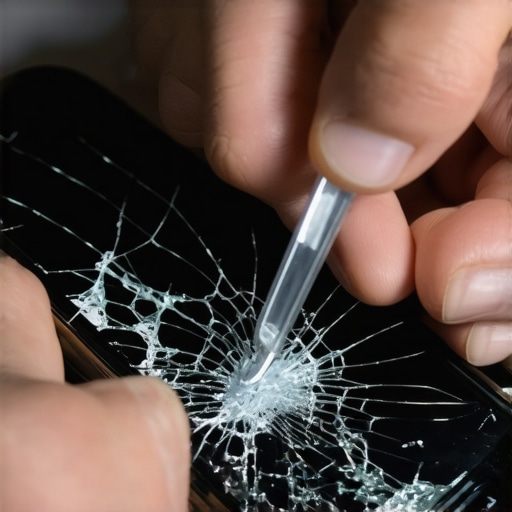
After twenty five years of hanging curtain walls and setting massive lites of insulated glass in high-rise developments, I look at a smartphone screen and see something most people do not: a highly stressed, chemically strengthened architectural marvel that is being treated with absolute negligence. People carry these devices like they are indestructible slabs of plastic, but as a professional glass installer, I can tell you that the glass on your phone follows the same physical laws as a storefront window. When you shove a phone into a pocket containing a set of brass or steel keys, you are essentially creating a high-pressure point load on a tempered substrate. I once saw a premium smartphone screen that had developed a spiderweb fracture from what the owner thought was a minor bump. I pulled that device apart under a magnifying lamp and showed him the truth. The failure did not start with the bump; it started weeks earlier with a microscopic pit caused by a house key. That pit had compromised the surface tension of the glass, creating a localized stress riser. It is the same reason I refuse to use a chipped piece of plate glass in a rough opening. Once the structural integrity of the glazing is breached, the glass is just waiting for a thermal or mechanical excuse to fail.
“Glass is a brittle material that does not exhibit plastic deformation before failure. In architectural and mobile applications alike, the presence of surface flaws or edge damage significantly reduces the allowable tensile stress the material can withstand.” – ASTM C1036 Standard Specification for Flat Glass
The Molecular Battle: Why Keys Win
To understand how to protect your mobile device, we have to talk about the Glass Class. Most modern mobile screens are made of aluminosilicate glass that has undergone an ion-exchange process. Imagine the glass surface as a tightly packed crowd. During tempering, smaller sodium ions are replaced by larger potassium ions. This crams the surface into a state of high compression. This compression is what allows the glass to resist breaking. However, this strength is entirely dependent on the outer skin remaining intact. When you introduce a key, which is often made of nickel-plated brass or hardened steel, you are introducing an object with a sharp, irregular edge. Even if the key is technically softer on the Mohs scale than the glass, it can still exert enough PSI at its tip to create a micro-fissure. Once you penetrate that compression layer, the internal tension of the glass works against you. It is like a window sash that has been warped by moisture; eventually, something has to give. As a glass installer, I treat every surface like it is under load, and your pocket is a high-load environment.
Thermal Stress in the Pocket Environment
We need to discuss the climate logic of your pocket. In a southern or hot climate, or even just against the heat of your leg, the mobile device experience significant thermal gain. This heat causes the various layers of the device—the frame, the adhesive glazing bead, and the glass—to expand at different rates. If you have a deep scratch from a key, that thermal expansion puts immense pressure on the flaw. I have seen mobile service technicians perform chip repair on windshields that failed for this exact reason. The sun hits the glass, the temperature rises, and the chip turns into a crack. Your phone is no different. The Low-E coatings on some high-end screens are designed to reduce glare and heat, but they are incredibly thin and easily abraded by metal contact. Protecting the screen is not just about avoiding a break; it is about maintaining the optical clarity and thermal properties of the glazing system.
“The edge of the glass is the most vulnerable part of the system. Proper edge treatment and the avoidance of metal-to-glass contact are essential for preventing spontaneous breakage in tempered units.” – NFRC Fenestration Rating Principles
The Solution: A Protective Glazing System
If you want to protect your device, you need to think like a glazier. You do not just put a piece of glass in a hole and hope for the best; you use a system. First, stop treating your pocket as a storage bin. If your phone is the operable part of your daily carry, it needs its own dedicated space. Second, consider a tempered glass screen protector as a sacrificial lite. In the world of high-impact glazing, we often use a laminated system where a sacrificial layer takes the abuse so the structural layer remains pristine. A high-quality screen protector acts as a buffer, absorbing the point-load energy from keys. If the protector gets a chip, you replace it immediately. Do not wait for it to spread. Mobile service providers now offer same-day chip repair for a reason: glass does not heal. Third, pay attention to the rough opening of your phone case. A case that does not provide a sufficient lip is like a window frame without a proper sill pan; it provides no protection for the most vulnerable part of the glass—the edge.
Technical Maintenance and Professional Repair
When the inevitable happens and you sustain damage, you must look for a professional glass installer who understands the specific gravity and tensile requirements of mobile glass. Do not settle for a caulk-and-walk repair shop that uses sub-standard adhesives. The way the glass is bonded to the frame involves precise glazing bead application and curing. A poor installation will lead to moisture ingress, which is the mobile equivalent of rot in a wooden header. Whether you are dealing with a skyscraper or a handheld device, the principles of water management and structural integrity remain the same. Keep your glass clean, keep your keys away from the substrate, and treat your phone like the high-performance glazing unit it is. The cost of prevention is a fraction of the cost of a full frame tear-out and replacement.”