Why we never use rubbing alcohol on a new phone screen
The Chemistry of Glass: Why Solvents are the Enemy of High-Performance Surfaces
As a master glazier with a quarter-century in the field, I have seen every imaginable mistake a homeowner or DIY enthusiast can make with glass. Whether we are talking about a 10-foot-tall storefront window or the glass sitting in your pocket right now, the physics of the surface remain remarkably similar. The question of why we never use rubbing alcohol on a new phone screen is not just about the glass itself; it is about the sophisticated molecular layers we bond to that glass. In my 25 years of experience, the most common reason I am called for a same-day glass installer visit is not a stray baseball, but the chemical destruction of specialized coatings.
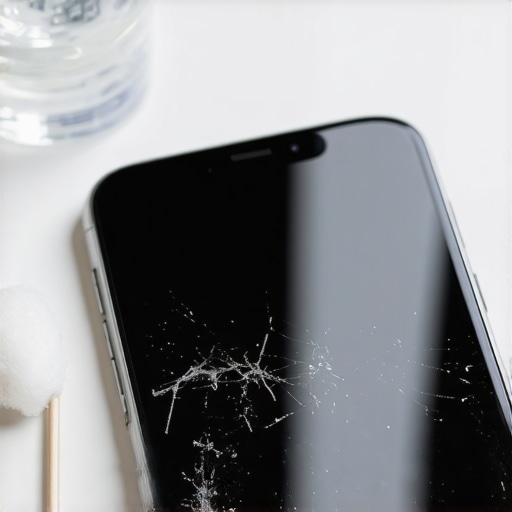
A homeowner called me in a panic because their new windows were ‘sweating.’ I walked in with my hygrometer and showed them the humidity was 60%. It was not the windows; it was their lifestyle. They were using harsh chemicals to clean the glass, thinking they were being thorough, but they were actually stripping the vital coatings that manage thermal transfer. This same principle applies to your smartphone. When you take a new phone out of the box, you are touching an oleophobic coating. This is a fluoropolymer-based layer that repels oils from your skin. Rubbing alcohol, specifically isopropyl alcohol in high concentrations, acts as a powerful solvent that dissolves these chemical bonds. Once that layer is gone, your screen becomes a magnet for smudges, and its structural integrity against micro-abrasions is compromised.
The Anatomy of Modern Glass Coatings
To understand why a professional mobile service specialist or a glass installer cringes at the sight of a bottle of alcohol, we have to look at the ‘Glazing Zooming’ perspective. Modern glass is rarely just silica and soda ash. On a high-performance window, we utilize magnetron sputtering to apply microscopic layers of silver and zinc oxide. This is known as a soft-coat Low-E. If you were to apply a solvent like rubbing alcohol to a soft-coat surface, you would initiate a process of oxidation that would turn the silver black, effectively ruining a thousand-dollar piece of glazing. On a phone screen, the oleophobic coating is similar in its fragility. It is designed to be slick, reducing the friction that leads to scratches. Alcohol strips this slickness away.
“Installation is just as critical as the window performance itself. A high-performance window installed poorly will fail.” AAMA Installation Masters Guide
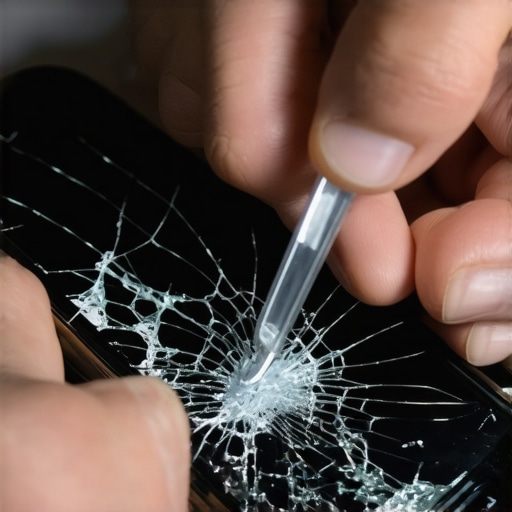
When I am performing a chip repair on a windshield or a specialized glass panel, the first thing I check is the surface contamination. If a client has tried to clean the chip with alcohol, they have often driven the oils and the solvent deep into the laminate. This makes the resin bonding process significantly more difficult. A professional chip repair requires a pristine environment where the UV-curable resin can reach the ‘legs’ of the break and bond with the silica at a molecular level. Alcohol leaves behind a residue as it evaporates, which can interfere with the refractive index of the repair, leaving a visible scar where there should be a clear finish.
Thermal Logic and Surface Management
In colder climates, such as Chicago or Minneapolis, the glass in your home and your devices faces extreme thermal stress. We talk about the U-Factor constantly in the glazing industry. This is the rate at which a window, door, or skylight conducts non-solar heat flow. Lower numbers are better. When you strip the coatings off glass using harsh chemicals, you are essentially increasing the U-Factor of that specific spot. You are creating a thermal bridge where heat can escape or enter more easily. On a smartphone, this might not seem critical, but the heat generated by the processor needs to dissipate. Coatings can even affect the heat-shedding properties of the device.
“The performance of the glazing system is dependent upon the maintenance of the surface integrity and the seals that protect the internal gas fills.” NFRC Fenestration Rating Manual
In my years as a master glazier, I have seen how the ‘Rough Opening’ of a building is protected by a ‘Sill Pan’ and ‘Flashing Tape,’ but the glass itself is left to the mercy of the user. We use a ‘Glazing Bead’ to hold the ‘Sash’ in place, but nothing can protect the glass from the wrong chemical. For those in the South, where the Solar Heat Gain Coefficient (SHGC) is the most important metric, stripping a coating can mean a massive increase in cooling costs. The Low-E coating on Surface #2 of a window is designed to reflect long-wave infrared radiation. If that coating is compromised by improper cleaning, the glass will absorb that heat instead of reflecting it.
Why Professionals Use Specialized Cleaners
A ‘mobile service’ technician for glass repair carries specific surfactants that are pH-neutral. These cleaners are designed to lift debris without breaking the chemical bonds of the oleophobic or Low-E layers. When we install a new ‘Operable’ window, we provide the homeowner with a maintenance guide that specifically forbids ammonia or alcohol-based cleaners. We look for ‘Weep Holes’ to be clear and ‘Shims’ to be level, but the longevity of the glass depends on the ‘Sash’ being treated with respect. If you have a chip in your glass, calling for a ‘same-day’ professional is better than trying a DIY fix with rubbing alcohol. The professional will use a vacuum-sealed bridge to pull air out of the chip before injecting the resin, a process that is impossible if the surface is contaminated with solvents.
The Long-Term ROI of Proper Glass Care
The myth that ‘alcohol cleans everything’ is a dangerous one in the glazing world. While it is a great disinfectant for skin, it is a destroyer of engineered surfaces. Whether you are looking at a historic wood window with a ‘Muntin’ grid or a modern frameless glass wall, the rule remains: preserve the coating to preserve the glass. If you ruin the oleophobic coating on your phone, there is no easy way to reapplied it in a factory-grade fashion. Similarly, once a Low-E coating is oxidized by a solvent, the entire glass unit must be replaced. This is why a ‘glass installer’ will always emphasize the use of water and a mild dish soap over any store-bought chemical. The goal is to manage the water, manage the heat, and maintain the molecular shield that makes modern glass so effective at its job.