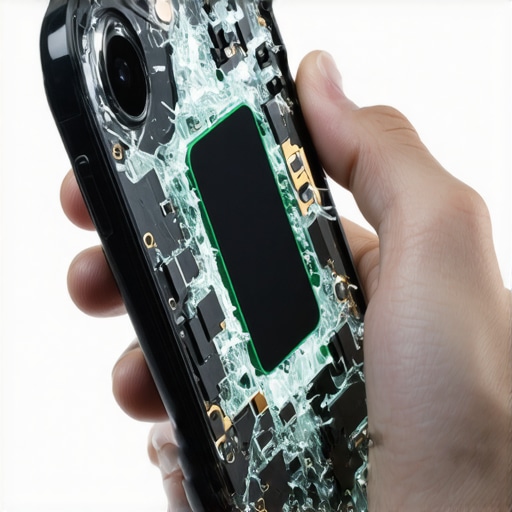
The hidden risk of using a phone with a shattered back panel
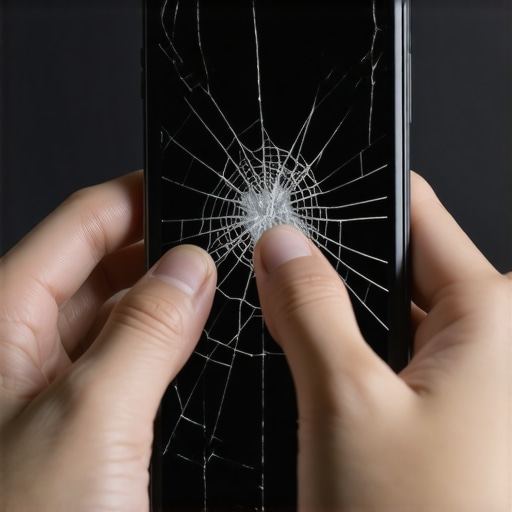
In my twenty-five years as a glass installer, I have seen every type of fracture imaginable, from massive storefront plates shattered by thermal stress to the delicate muntin of a historic window failing under pressure. Most people treat a smartphone with a shattered back panel as a mere cosmetic inconvenience, but as someone who understands the physics of glass and the necessity of a hermetic seal, I view it as a critical failure of the device envelope. A window is a hole in the wall that must manage heat, light, and water. A smartphone back panel is no different. It is a structural component designed to manage the internal climate of the processor and protect the sensitive rough opening of the hardware. To ignore a crack in this glass is to ignore the structural integrity of your mobile tool.
“Installation is just as critical as the window performance itself. A high-performance window installed poorly will fail.” – AAMA Installation Masters Guide
A client once called me in a panic because their mobile device was sweating on the inside of the camera lens. I walked in with my hygrometer and showed them that the ambient humidity in their home was sixty percent. They lived in a coastal region where the vapor drive is constant. The back panel of their phone had a small chip repair they had ignored. I had to explain that it wasn’t the glass sweating; it was their lifestyle and the local climate invading the device because the seal was compromised. This illustrates the condensation crisis. When the integrity of the glass is breached, the device no longer has a managed dew point. Instead, moisture-laden air is drawn through the micro-fissures via capillary action. Once that moisture is inside, it cannot easily escape, leading to the oxidation of internal components and eventual board failure.
The Physics of the Fritted Glass Envelope
Modern smartphone glass is typically an alkali-aluminosilicate material, chemically strengthened through an ion-exchange process. This creates a high state of compression on the surface which is balanced by tension in the core. When you experience a chip or a crack, you are not just seeing a line in the glass; you are seeing a release of that stored energy. This is similar to how a tempered window behaves, though on a much smaller scale. The back panel acts as a primary heat sink. In hot climates like Texas or Florida, the solar heat gain on a dark-colored glass back can be immense. The glass is designed to dissipate that heat. When the glass is shattered, the thermal conductivity is interrupted. This creates hot spots. In my experience, a shattered back panel is like a window with a failed glazing bead; it allows the environment to dictate the internal temperature of the structure.
The thermal logic here is inescapable. In a southern, humid climate, the enemy is the solar heat gain coefficient (SHGC) and moisture ingress. If you are using a mobile service for a same-day replacement, you are essentially performing a full frame tear-out on a miniature scale. The adhesive used to bond the glass to the frame acts as the flashing tape and the sill pan for the electronics. If that adhesive is not applied with the precision of a master glazier, the device will fail. I often see people try to shim their broken screens or use tape as a temporary fix, but this is the classic caulk-and-walk approach that I despise. Tape does not restore the structural rigidity of the alkali-aluminosilicate glass. It does not prevent the frame from flexing, which can then put pressure on the battery, much like a settling foundation puts pressure on an operable sash.
“Water penetration is the single most common cause of premature building envelope failure.” – ASTM E2112 Standard Practice
The Installation Autopsy: Why Simple Repairs Fail
When we perform an autopsy on a failed device with a broken back, we often find that the weep hole of the device (the speaker and charging ports) have become the only way for the device to breathe, but they cannot handle the volume of moisture introduced through a shattered back. The back panel is the first line of defense in the shingle principle of water management. Water flows down the surface. If it encounters a crack, surface tension pulls that water into the rough opening of the phone. This is why same-day repair is not a luxury; it is a necessity for the survival of the hardware. In coastal areas, salt air is even more aggressive. The chloride ions will find their way through the smallest glazing bead failure and begin the process of galvanic corrosion on the internal metal shields.
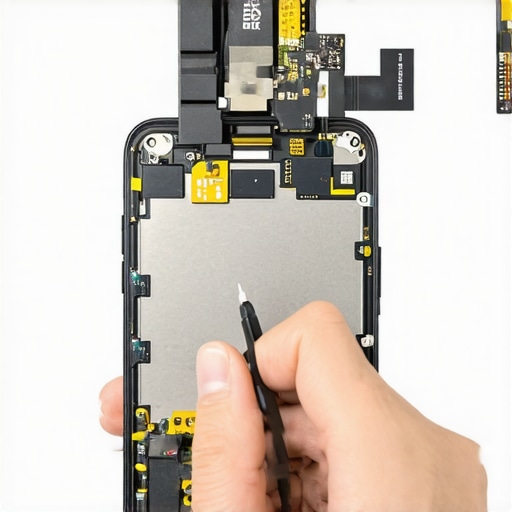
The glass installer must ensure that the new panel is perfectly seated. If the frame is bent even a fraction of a millimeter, the new glass will be under constant stress. In the window world, we use shims to ensure the sash is plumb and level within the rough opening. In the mobile world, the frame itself must be perfectly true. If you install a new back panel on a warped frame, you are essentially building a house on a crooked foundation. The glass will eventually crack again, not because of an impact, but because of the internal stress of the installation. This is why I advocate for professional mobile service that understands the metallurgical properties of the device frame. We are not just replacing a pretty piece of glass; we are restoring the structural envelope of a high-performance computer.
Thermal Expansion and the Battery Risk
One of the most significant hidden risks of a shattered back panel is the impact on the lithium-ion battery. These batteries expand and contract slightly during charge cycles. The glass back panel is designed to provide a specific amount of resistance and containment for this expansion while allowing heat to escape. When the glass is shattered, it loses its tensile strength. This can allow the battery to swell beyond its designed tolerances because the containment has failed. It is like a window where the glazing is no longer held in by the glazing bead; eventually, the glass will fall out or the frame will buckle. A swollen battery is a fire hazard, and the lack of a solid glass back panel only exacerbates this risk by allowing more oxygen to reach the battery if a puncture occurs.
Furthermore, the back panel often houses the wireless charging coil. This coil relies on the dielectric properties of the glass to function efficiently. When the glass is replaced with a different material or left shattered, the electromagnetic field is distorted. This can lead to increased resistance and more heat generation during charging. For a glass installer, this is equivalent to using the wrong type of low-E coating for a specific climate. If you use a high SHGC glass in Phoenix, the room will overheat. If you use a shattered or poor-quality replacement back on a phone, the battery will overheat. The science of fenestration and the science of mobile hardware are surprisingly similar; it all comes down to managing the movement of energy and moisture across a thin barrier.
In conclusion, the next time you see a crack in your phone back, don’t think of it as a minor flaw. Think of it as a breach in the integrity of a high-performance system. You need a glass installer who understands more than just how to use a heat gun. You need someone who understands the shingle principle, the dew point, and the structural requirements of the device. Don’t settle for a caulk-and-walk repair. Ensure your mobile service provides a same-day solution that restores the hermetic seal and the structural rigidity of your device. Your hardware depends on the quality of that glazing. [REPLACE_WITH_IMAGE_PLACEHOLDER]