Why your phone screen is lifting from the frame
The Integrity of the Bond: A Glazier’s Perspective on Screen Separation
As a Master Glazier with over a quarter century in the field, I have spent my life obsessing over the structural integrity of glass installations. Whether it is a twenty-foot curtain wall on a skyscraper or the ultra-thin laminate on a mobile device, the physics remain constant. When you notice your screen lifting from the frame, you are witnessing a catastrophic failure of the glazing system. This is not merely a cosmetic inconvenience. It is a breach of the building envelope of your technology. In my decades of experience, I have seen exactly what happens when the bond between a substrate and a glass lite is compromised. A homeowner called me in a panic because their new windows were ‘sweating.’ I walked in with my hygrometer and showed them the humidity was 60%. It wasn’t the windows; it was their lifestyle choices that were forcing moisture into the rough opening. Similarly, when a phone screen lifts, it is often an environmental or internal pressure issue that the user has overlooked. The sealant is the only thing standing between operational success and a total loss of the device. You must understand that the glass installer’s job is to manage the intersection of different materials that expand and contract at different rates.
The Thermal Dynamics of Device Glazing
In the hot climates of regions like Phoenix or Florida, the Solar Heat Gain Coefficient (SHGC) is not just a term for residential windows. It applies to any glass surface exposed to the sun. When you leave a device on a car dashboard, the glass acts as Surface #2, absorbing radiant energy and transferring it to the internal frame. The coefficient of thermal expansion for the aluminum frame is significantly higher than that of the glass itself. This creates a massive amount of shear stress on the glazing bead.
“Installation is just as critical as the window performance itself. A high-performance window installed poorly will fail.” – AAMA Installation Masters Guide
This principle is absolute. If the factory adhesive, which serves as your flashing tape and primary sealant, is subjected to temperatures exceeding its glass transition point, it loses its viscosity and structural memory. The screen begins to pull away, often starting at the corners where the shim placement or factory tolerance is tightest. In my trade, we call this a failure of the perimeter seal. Once that seal is broken, the internal components are exposed to ambient humidity, which can lead to condensation inside the unit, much like a failed insulated glass unit (IGU) in a home.
The Anatomy of a Lifting Screen: The Installation Autopsy
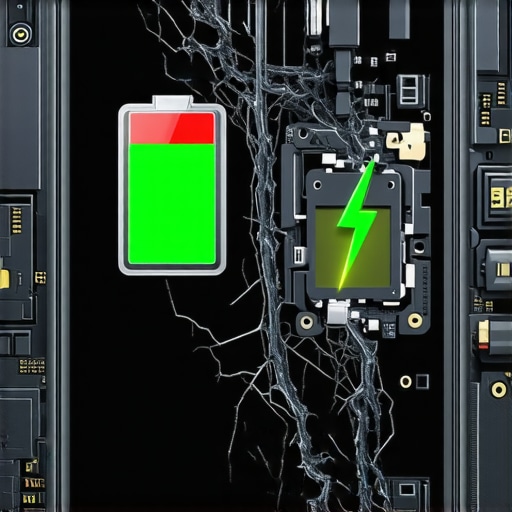
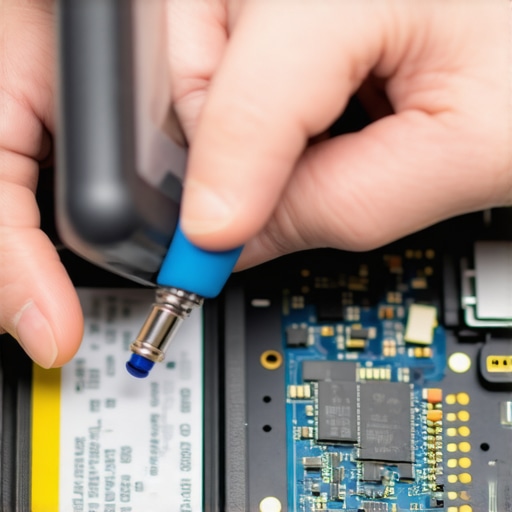
When we perform an installation autopsy on a lifting screen, we look at the shingle principle. In glazing, we always want water and debris to shed away from the internal cavity. Your phone frame is designed with a specific rough opening to house the glass assembly. Between the glass and the frame, there is a micro-gap that should be perfectly sealed by a specialized adhesive. When the battery inside begins to swell due to heat or age, it exerts outward pressure. This is akin to a building settling and putting pressure on a window sash. The sash eventually binds or the glass cracks. In the case of a mobile device, the pressure forces the glazing bead to detach from the frame. If you have a chip in the glass, the structural integrity is already compromised. This is why a mobile service for chip repair is vital. A professional glass installer uses a vacuum process to remove air from the chip and inject a high-refractive-index resin. If this is not done same-day, the thermal expansion will cause the chip to migrate into a full-blown crack as the screen lifts.
“Standard Practice for Installation of Exterior Windows… emphasizes that sealant must be applied to a clean, dry substrate to ensure a continuous air and water barrier.” – ASTM E2112
When the screen lifts, you no longer have a clean substrate. Dust and skin oils enter the rough opening, making a simple re-press or re-glue impossible without a full tear-out and cleaning.
Why Mobile Service and Same-Day Repair Matter
The urgency of chip repair cannot be overstated. When a glass lite is under tension from a lifting frame, any flaw in the surface is a focal point for a stress fracture. A same-day mobile service is essential because it addresses the flaw before the diurnal temperature cycle can expand the gap. Think of your phone as a miniature operable window. It has a frame, a glass component, and a seal. If the sill pan of your window was full of water, you would not wait weeks to fix it. A lifting screen is the same. It opens up the weep holes of the device (the microphone and speaker ports) to excessive moisture ingress. If the screen is still operable, you have a window of time to perform a reset. A professional glass installer will evaluate if the muntins or the internal bezel have been warped by the pressure. We use specialized shims to ensure that when the new adhesive is applied, the screen sits perfectly flush within the rough opening. This prevents future lifting by ensuring that the mechanical stress is distributed evenly across the entire perimeter rather than at a single point of failure.
The Role of Low-E and Reflective Coatings
While we do not traditionally think of phones as having Low-E coatings, the principle of reflecting infrared radiation is critical. High-end devices use layers of metallic oxides to reduce glare, which also affects how the glass handles heat. In a South or Hot climate, these coatings are under constant assault. If the coating is on Surface #2 (the underside), it helps protect the internal adhesive. However, once the screen lifts, the thermal profile changes. The air gap between the glass and the frame creates a greenhouse effect, further heating the internal components and the battery. This cycle of heat and expansion is the primary killer of mobile glazing. You must treat your device with the same respect you would a high-performance architectural glass installation. Avoid the ‘caulk-and-walk’ mentality of cheap repair shops that just use a bit of glue. Demand a repair that respects the original engineering tolerances of the rough opening and the chemical requirements of the glazing bead.