How to spot a refurbished screen on a used phone
As a Master Glazier with over a quarter-century in the trade, I look at every piece of glass as a structural component, not just a surface. Whether I am hanging a twenty-foot curtain wall on a skyscraper or inspecting the display on a handheld device, the physics remains the same. I pulled a screen out of a chassis in Houston and the frame was pitted with adhesive residue, essentially the electronic version of the rot I see in wood window headers. The previous technician had relied on a standard double-sided tape instead of a proper structural adhesive bead, and the heat of the Texas sun had turned that adhesive into a gummy, failing mess that allowed moisture to infiltrate the sensitive internal components. In this industry, we know that water and heat are the primary enemies of any glazing system. When you are looking at a used phone, you are essentially performing a miniature installation autopsy to see if the previous glazier followed the rules or simply performed a caulk-and-walk job. The glass on a mobile device is more than a window; it is a complex laminate that must handle extreme thermal expansion and contraction while maintaining its structural integrity. In a hot climate like the South, the Solar Heat Gain Coefficient (SHGC) is king. A cheap refurbished screen often lacks the sophisticated coatings that reflect long-wave infrared radiation, causing the internal temperature of the phone to spike and the battery to degrade. This is why a glazier’s eye is essential for spotting a refurbished unit.
“Installation is just as critical as the window performance itself. A high-performance window installed poorly will fail.” AAMA Installation Masters Guide
The Rough Opening and Frame Tolerances
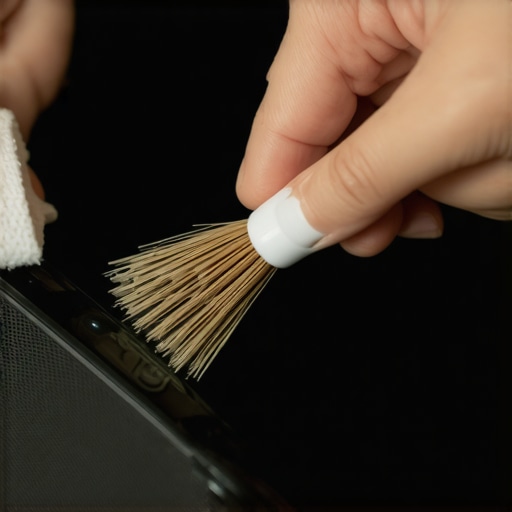
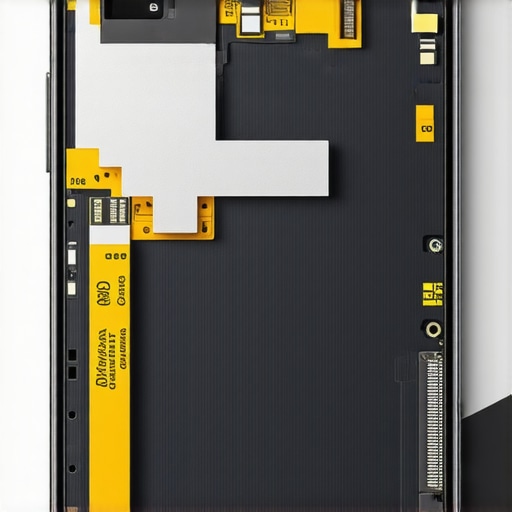
In the window world, we talk about the Rough Opening. This is the space in the wall where the window sits. On a phone, the chassis is your Rough Opening. When a screen is replaced by a mobile service or a same-day chip repair shop, they often struggle with the fit and finish because the aftermarket glass does not adhere to the original equipment manufacturer tolerances. A professional glazier looks for the gap. If the glass is not sitting flush with the frame, or if you can see a slight protrusion at the corners, the shim system used internally is likely misaligned. Much like how we use shims to level a window in a crooked wall, phone technicians use tiny brackets and adhesive layers to seat the screen. If these are off by even a fraction of a millimeter, it indicates a refurbishment. You should run your fingernail along the Glazing Bead (the thin gasket or plastic border between the glass and the metal). If it feels sharp or uneven, the glass has been replaced. A factory seal is smooth because it is applied in a controlled, dust-free environment. Mobile service repairs often happen in vans or backrooms where the dew point is not managed, leading to microscopic dust particles being trapped under the glass, which can eventually cause delamination or internal condensation crisis.
The Science of Surface Coatings and SHGC
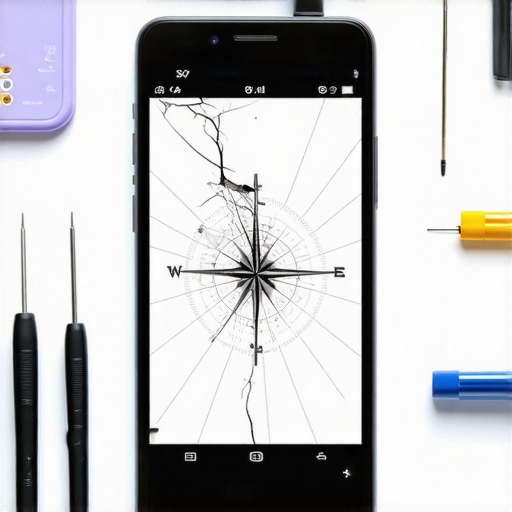
When we install high-end windows in the South, we look for Low-E coatings on Surface #2. This is the inner face of the outer pane. It is designed to reflect the sun’s heat back outside before it can pass through the air gap. A refurbished phone screen frequently uses a lower-grade glass that lacks the oleophobic and hydrophobic surface treatments found on original units. You can test this with a single drop of water. On an original screen, the water will bead up and roll off because of the high surface tension of the coating. On a refurbished screen, the water will smear and flatten out. This is a clear indicator that the glass is a cheap substitute. Furthermore, the polarization layer on an aftermarket screen is often misaligned with the crystal structure of the display. This affects the Visible Transmittance (VT). If you tilt the phone while wearing polarized sunglasses and the screen goes completely black at a certain angle, it is likely a refurbished unit. The glass installer who handled the refurbishment probably used a pre-laminated assembly that did not meet the strict ASTM standards for optical clarity. In a hot climate, a screen with poor SHGC management will trap heat, causing the OLED pixels to burn out prematurely, much like how a single-pane window in Arizona will cause your furniture to fade in a single summer.
“Standard practice for installation of exterior windows requires a continuous seal to prevent air and water infiltration at the interface.” ASTM E2112
The Weep Hole and Water Management
Every glazier knows that you cannot perfectly stop water; you can only manage its path. This is why we use a Sill Pan and Weep Holes in window frames. On a phone, the speaker grills and charging ports act as your ports. When a screen is replaced, the original water-resistant seals (the Flashing Tape of the phone world) are broken. A technician performing a same-day repair often skips the step of reapplying a new perimeter gasket, relying instead on a bead of liquid adhesive. To spot this, look for adhesive squeeze-out around the edges of the Sash (the operable part of the display). If you see tiny remnants of glue in the speaker mesh or around the edge of the glass, the seal is compromised. The Shingle Principle, where every layer overlaps the one below it to direct water away, is often ignored in quick repairs. If the screen is not perfectly recessed into the frame, water will pool in the tiny lip, eventually wicking into the electronics through capillary action. This is the same reason why a poorly flashed window causes the header to rot. It is not the big storm that does the damage; it is the slow, persistent moisture that has no way to escape because the weep system was blocked or ignored during the installation.
Refraction and Internal Reflection
Glazing Zooming allows us to look at the light itself. When you look at an original phone screen from an acute angle, the image should appear to be floating right on the surface of the glass. In a refurbished unit, there is often a larger air gap between the glass and the digitizer because the lamination process was done without a vacuum chamber. This creates a secondary reflection, or a ghosting effect, which is a hallmark of a non-factory repair. This air gap also acts as a thermal insulator, but in the wrong way. In a South/Hot climate, this gap traps the heat generated by the processor, preventing it from dissipating through the glass surface. This leads to the processor throttling and the device slowing down. A professional glass installer understands that the glass must act as a heat sink. The thermal conductivity of the glass and the adhesive must be matched to the original specifications to prevent this. If you notice the phone getting exceptionally hot during a simple task like browsing, and you see that the glass is not factory-original, you are looking at a failure of thermal logic.