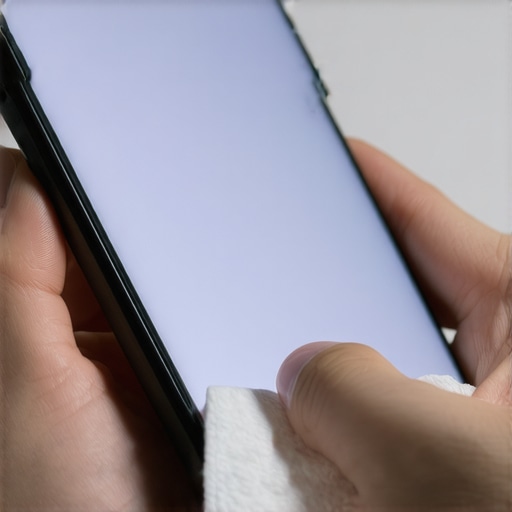
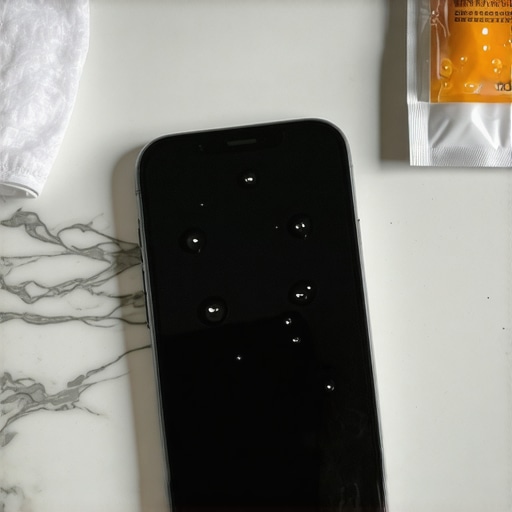
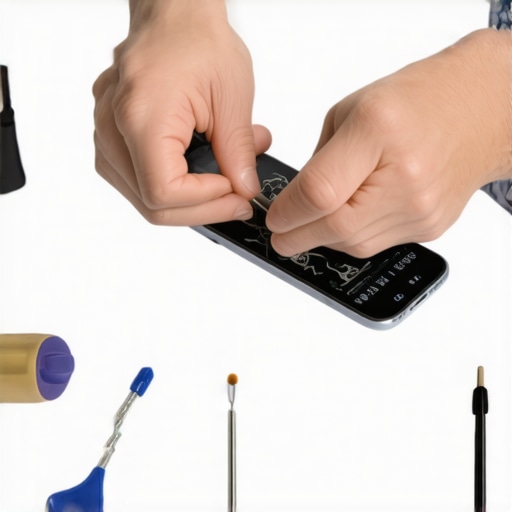
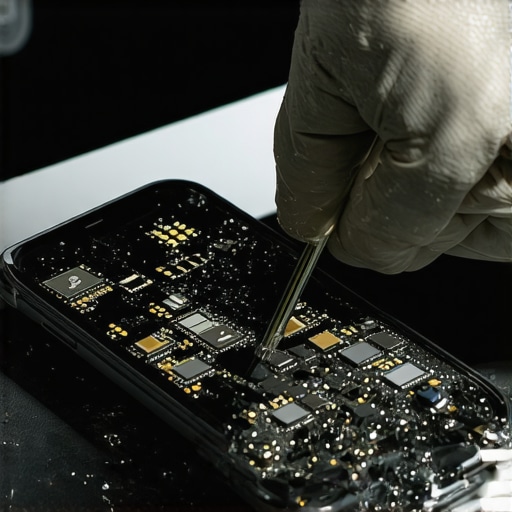
How to save a phone that fell in the toilet
The Emergency Mentality: Why Mobile Service in Glazing is a Technical Rescue
When a homeowner calls about a shattered pane or a spreading chip, the urgency mirrors any other domestic disaster. It is about containment and structural integrity. As a glazier with over two decades in the field, I have seen how the phrase mobile service has been cheapened by companies that prioritize speed over the physical laws of fenestration. A window is a complex thermal envelope, not a simple piece of transparent material. When we talk about same-day repair, we are not just talking about convenience; we are talking about preventing the inevitable migration of moisture into the rough opening.
I once pulled a vinyl window out of a house in Charleston and the header was completely black with rot. The wood crumbled like wet cake in my hands. The reason was not the window itself, but the previous installer who had relied entirely on the nailing fin instead of proper flashing tape. They had performed a quick, mobile fix after a storm but failed to understand the shingle principle of water management. Water had found a path behind the top flange and sat against the structural framing for three years. This is the difference between a glass installer and a master glazier. One replaces the glass; the other protects the building.
The Installation Autopsy: Understanding Water Migration
Water does not just fall; it migrates through capillary action and hydrostatic pressure. In coastal environments, the air is a delivery system for salt and moisture, both of which are predatory toward standard window hardware. When I perform an autopsy on a failed installation, the culprit is almost always the lack of a sill pan or an improperly integrated drip cap. The sill pan is your last line of defense, a piece of flashing that slants toward the exterior to ensure that any water that gets past the glazing bead is directed back outside through the weep hole.
“Installation is just as critical as the window performance itself. A high-performance window installed poorly will fail.” – AAMA Installation Masters Guide
In a coastal or storm-prone climate, we are fighting positive and negative wind pressure. During a high-wind event, your windows are being pushed and pulled simultaneously. If the glazing bead is not seated with the correct shore hardness, the glass will rattle, eventually breaking the seal of the insulated glass unit (IGU). Once that seal is breached, the argon gas escapes, and you are left with a foggy, useless piece of glass that has the thermal resistance of a screen door.
[IMAGE_PLACEHOLDER]
The Physics of Impact Glass and Chip Repair
The science of chip repair in mobile service is often misunderstood. A chip is a localized failure of the glass tension. Glass is strongest under compression, but a chip introduces a point of extreme tension. In a hot, humid climate like the Gulf Coast, the exterior surface of the glass (Surface #1) can reach temperatures exceeding 140 degrees Fahrenheit. This thermal expansion puts immense stress on that tiny chip. Our same-day resin injections are not just cosmetic; they are structural. We use a low-viscosity polymer that mimics the refractive index of the glass while bonding to the molecular structure of the silica.
For coastal homes, we often move beyond standard annealed glass to impact-rated laminated systems. This involves a sacrificial layer of glass, a PVB (Polyvinyl Butyral) interlayer, and a secondary structural layer. The PVB interlayer is the hero here. It is designed to absorb the kinetic energy of a flying object, such as a piece of debris during a hurricane. Even if the glass cracks, the interlayer holds the shards in place, maintaining the pressure boundary of the home. This prevents the roof from lifting off due to internal pressurization, a common cause of total structural failure in major storms.
“The flashing system must be integrated with the water-resistive barrier in a weather-board fashion to prevent water intrusion into the wall cavity.” – ASTM E2112 Standard Practice
The Criticality of the Rough Opening and Shimming
A common mistake in rapid mobile installations is the improper use of a shim. You cannot simply shove a window into a rough opening and screw it to the studs. You must account for the plumb, level, and square of the opening. If a window is out of square by even an eighth of an inch, the sash will not operate correctly, and the weatherstripping will not create a compression seal. This leads to air infiltration, which is the primary driver of high energy bills. We use high-density plastic shims because wood shims will eventually rot if moisture ever reaches the cavity. Every detail, from the placement of the shim to the type of flashing tape used, determines if the window will last thirty years or five.
Water Management is a Science, Not an Afterthought
True mobile service means bringing the precision of the shop to the driveway. It means understanding that the weep hole in the frame must remain unobstructed by caulk or debris. It means knowing that the glazing bead must be perfectly mitered to prevent water from pooling at the corners. We do not just fix glass; we manage the interface between the interior comfort of your home and the chaotic environment outside. When you see water on your sill, it is often too late for a simple fix. It requires a glazier who understands the forensic nature of water intrusion.
Do not be fooled by the fast-talking salesman promising the world for a low price. Look for the technical indicators: Is the installer discussing the U-Factor? Are they mentioning the SHGC (Solar Heat Gain Coefficient)? Are they using a backer rod before applying the perimeter sealant? These are the hallmarks of a professional who respects the craft of glazing. In the end, the glass is just a part of the system. The installation is the soul of the window.