The truth about those liquid screen protector kits
The Gimmick of Invisible Shields
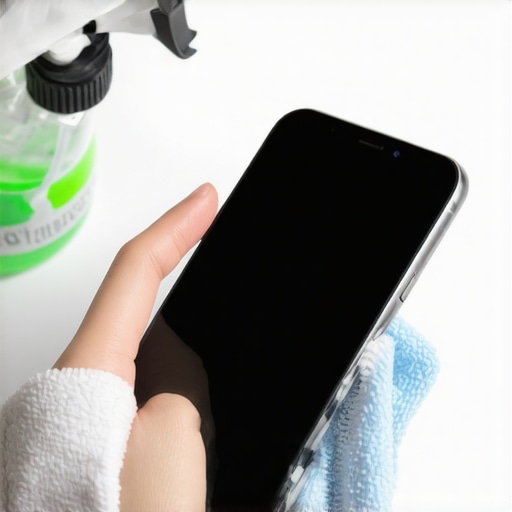
As a master glazier with twenty-five years of experience handling everything from commercial curtain walls to the most delicate leaded glass, I have seen every fad in the industry. Lately, my clients have been asking about these liquid screen protector kits. They want to know if a simple wipe-on solution can truly protect their high-value devices the same way a professional glass installer protects a storefront. To understand why these kits are largely a marketing illusion, we have to look at the molecular level of glass fabrication and the physics of impact resistance. Most people see glass as a smooth, solid surface, but in my world, we see it as a landscape of peaks and valleys. When you apply a liquid protector, you are essentially trying to paint a mountain range with a thimble of water. It fills the microscopic pores of the glass with silicon dioxide (SiO2), but it provides zero structural reinforcement. If you drop your device, that nanometer-thin layer of silica is not going to stop the energy transfer that causes a fracture.
The Condensation Crisis: A Lesson in Surface Integrity
A homeowner called me in a panic because their new windows were ‘sweating’ and they had tried to fix it themselves with a DIY spray coating they found online. I walked in with my hygrometer and showed them the humidity was 60 percent. It wasn’t the windows: it was their lifestyle choices and lack of proper ventilation. They thought they could ‘seal’ the problem away with a liquid wipe, much like people try to ‘seal’ their phone screens. In reality, that coating did nothing but create a smeary mess that trapped dirt. This is the same issue with liquid screen protectors. They claim to offer 9H hardness, but 9H on the pencil scale is not the same as 9H on the Mohs scale of mineral hardness. It is a classic case of using technical-sounding jargon to mask a lack of performance. In the glazing trade, if we have a rough opening that is out of square, we don’t just throw more caulk at it: we shim it and fix the structure. A liquid protector is the ‘caulk and walk’ equivalent of the tech world.
“Installation is just as critical as the window performance itself. A high-performance window installed poorly will fail.” – AAMA Installation Masters Guide
The Science of Surface Tension and Refractive Index
When we talk about glazing, we talk about the refractive index and visible light transmittance. A liquid screen protector is essentially a very thin layer of glass particles suspended in a solvent. Once the solvent evaporates, the silica remains. However, because it is not thermally bonded or annealed like the actual screen glass, it lacks the compressive stress layers that give tempered glass its strength. In my shop, when we prepare a sash for a new install, we ensure the glazing bead is seated perfectly to prevent air infiltration. These liquid kits offer no such protection against the lateral forces of a scratch. They might help with minor abrasions from sand or keys, but against a true impact, they are useless. The industry standard for glass installation, ASTM E2112, emphasizes the importance of a continuous barrier. A liquid coating that is only a few molecules thick cannot be considered a continuous or effective barrier against physical trauma.
Chip Repair vs. Liquid Fillers
If you have a chip in your glass, you don’t reach for a wipe-on kit. You call for a professional mobile service glass installer. Why? Because chip repair requires a vacuum-sealed bridge to remove the air from the fracture before injecting a high-viscosity resin that is UV-cured. This resin has a refractive index that matches the glass, making the repair nearly invisible while restoring structural integrity. A liquid screen protector cannot do this. It sits on top of the surface. If you have a chip in your phone screen and you apply a liquid protector, you are just sealing the air inside the crack, which will eventually expand due to thermal stress and cause the screen to spider. In the cold climates of the north, we see this constantly. A small stone chip in a windshield or a window pane stays dormant until the first freeze. When the temperature drops, the moisture inside the chip expands, and the pressure causes the glass to fail. A liquid kit provides no protection against this thermal expansion because it does not fill the void of the chip.
“The integrity of the fenestration system relies on the harmonious interaction of all components, from the glass substrate to the chemical sealants.” – NFRC Performance Standards
The Reality of Same-Day Professional Service
In the world of professional glazing, we prioritize ‘same-day’ service for a reason. Glass is a liquid that moves very slowly, and once a fracture begins, it is a race against time and temperature. A professional glass installer understands the importance of the sill pan and the weep hole in a window system to manage water and pressure. Similarly, a professional screen repair involves replacing the entire digitized assembly or the outer glass lens using a clean-room environment. This ensures no dust is trapped between the layers, preserving the visible transmittance of the screen. When you use a liquid kit, you risk leaving streaks and bubbles that permanently degrade your viewing experience. You are essentially applying a permanent, low-quality glaze to a high-quality optic. For the price of a few of these kits, you could have paid for a professional tempered glass installation that actually provides a sacrificial layer of protection.
The Verdict: Professionalism Over Placebos
We need to stop looking for shortcuts in glass maintenance. Whether it is a double-hung window in a historic home or the glass on your smartphone, the rules of physics apply. You cannot replace structural thickness with a chemical wipe. If you are worried about scratches, get a high-quality tempered glass protector that has been chemically strengthened through ion exchange. If your glass is already damaged, seek out a mobile service for a legitimate chip repair. Don’t be fooled by the marketing of ‘liquid glass.’ In my twenty-five years as a glazier, I have never seen a liquid coating that can replace the physical properties of a well-manufactured and professionally installed glass product. Keep your sashes clean, ensure your flashing tape is applied correctly, and leave the nanotechnology to the laboratory, not your kitchen table. Performance is measured in U-factors and impact ratings, not in how ‘invisible’ a coating claims to be.