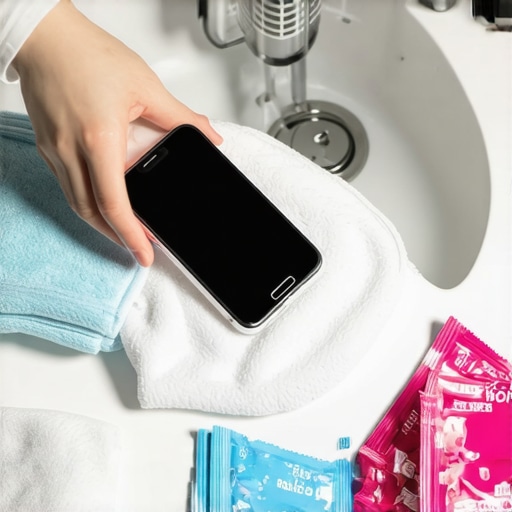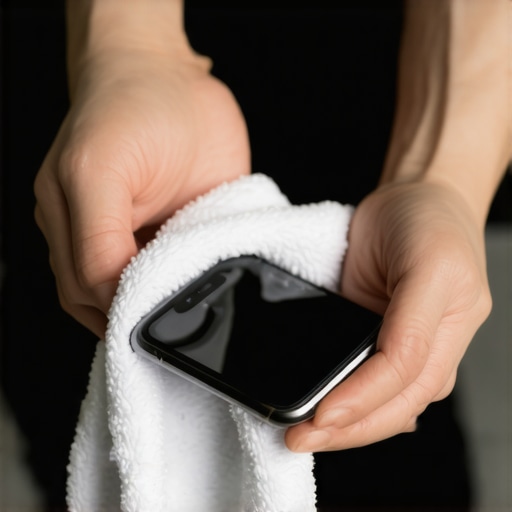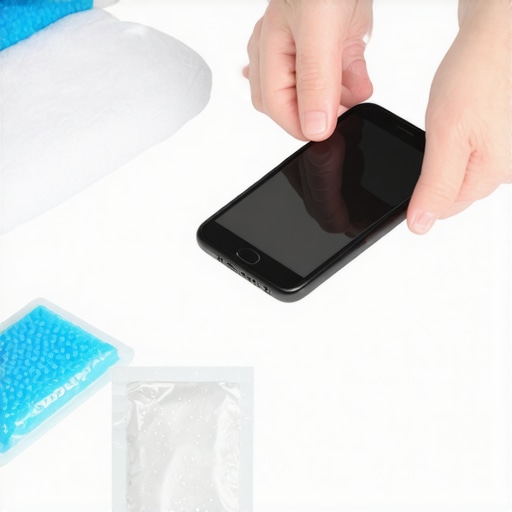
How to handle a wet smartphone without a bag of rice
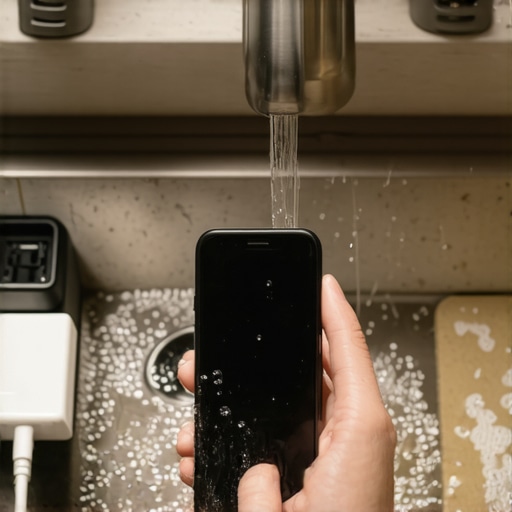
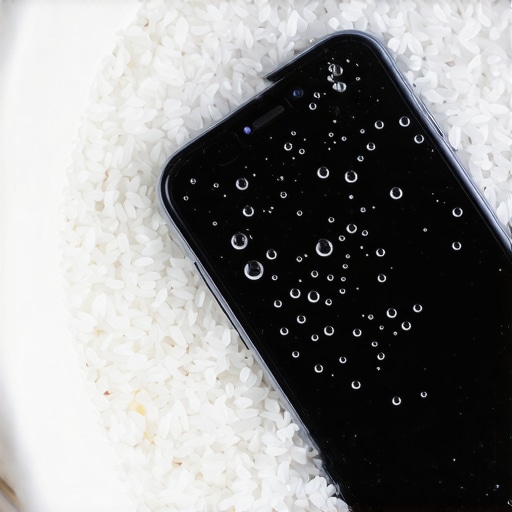
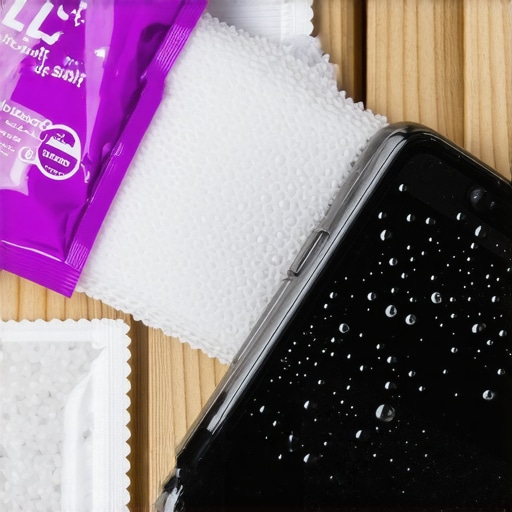
The logic of placing a wet smartphone in a bag of rice is a pervasive myth that ignores the fundamental physics of vapor pressure and desiccant capacity. As a master glazier with twenty five years in the field, I see this same misunderstanding of moisture management every time a homeowner asks me why their windows are failing. Whether it is a mobile device or a triple pane architectural window, the enemy is the same: uncontrolled moisture. People think rice is a magic sponge, but it is actually a poor desiccant that introduces dust and starch into delicate components. In the world of glass, we do not rely on pantry staples; we rely on molecular sieves and pressure equalization. Dealing with a wet device or a saturated window frame requires an understanding of how water moves through an environment and why the same day mobile service of a glass installer is often the only way to save a structural opening from rot. If you have a moisture crisis, you do not need rice; you need to understand the dew point and the path of least resistance.
The Condensation Crisis: A Narrative of Misplaced Blame
A homeowner called me in a panic because their new windows were sweating. They were convinced the glass was defective or the seals had blown on every single unit in the house. I walked in with my hygrometer and showed them the humidity was 60 percent. It was not the windows; it was their lifestyle. They had dozens of houseplants and a broken exhaust fan in the master bathroom that was pumping gallons of water vapor into the air every morning. The glass was doing exactly what it was designed to do: it was the coldest surface in the room, and the water vapor was undergoing a phase change into liquid condensate. This is the same principle that ruins a wet smartphone. The moisture is not the problem; the inability of the system to manage that moisture is the failure. I had to explain that even the most advanced Low-E glass cannot fight the laws of thermodynamics if the interior environment is a swamp. We spent two hours talking about air exchange rates rather than glass replacement because the truth was in the numbers, not the visible water.
“Installation is just as critical as the window performance itself. A high-performance window installed poorly will fail.” – AAMA Installation Masters Guide
The Installation Autopsy: Why Glass Systems Fail
When moisture enters a system, whether it is an electronic housing or a rough opening in a wall, it follows the shingle principle. Water flows down. If a glass installer fails to provide a proper drainage path, that water will sit and stagnate. This is where we perform an installation autopsy. I have seen countless windows where the installer relied on the nailing fin and a bead of caulk instead of a dedicated sill pan. A sill pan is a critical component that collects any water that bypasses the primary seals and directs it back to the exterior through a weep hole. Without it, the water migrates into the wooden framing, leading to sub-sill rot that can go undetected for years. In a mobile service scenario, a technician might offer a quick chip repair for a piece of glass, but if the underlying frame is saturated, the structural integrity of the opening is compromised. We look at the flashing tape and the integration with the weather-resistive barrier. If the flashing is lapped incorrectly, you are essentially funneling water into your home. The same logic applies to your smartphone; if the seals are breached, the internal desiccant is overwhelmed, and no amount of rice will pull that water out of the microscopic crevices of the logic board.
Thermal Dynamics and the Dew Point
In cold northern climates, the U-Factor is the most important metric on the NFRC label. A lower U-Factor means the window is better at resisting non-solar heat flow. To prevent the condensation I mentioned earlier, we use warm edge spacers made of structural foam or stainless steel. These spacers act as a thermal break between the two panes of glass, keeping the edge of the glass warmer and thus preventing it from reaching the dew point. [IMAGE_PLACEHOLDER] We also utilize Low-E coatings, specifically on Surface 3, to reflect long-wave infrared radiation back into the room. This maintains a higher center-of-glass temperature. When you are dealing with a chip repair, you are often compromising these thermal layers. A mobile service that handles same day repairs must be careful not to puncture the secondary seal of the insulated glass unit, or the argon gas fill will escape, being replaced by moist ambient air. This lead to internal fogging that cannot be wiped away. It is the permanent version of a wet smartphone screen.
“Standard practice for installation of exterior windows requires a continuous seal between the window frame and the thermal envelope of the building.” – ASTM E2112
The Reality of Same Day Glass Service
While everyone wants a same day solution, real glazing work requires precision. When we set a window into a rough opening, we use a shim to ensure the frame is plumb, level, and square. If the frame is twisted even an eighth of an inch, the sash will not seat properly against the weatherstripping, creating an air leak. These air leaks carry moisture. People often confuse a draft for a cold pane of glass, but a master glazier knows that air infiltration is usually the culprit. We use closed-cell backer rod and high-grade sealant to create a redundant barrier. A mobile service technician performing a chip repair on an architectural unit is performing a delicate surgery. They must inject resin that matches the refractive index of the glass while ensuring the vacuum seal remains intact. It is a technical feat that requires more than just a toolkit; it requires an understanding of how glass behaves under pressure. The next time you think about reaching for a bag of rice to fix a moisture problem, remember that professional moisture management is about creating a controlled environment, not hoping for a miracle. Whether it is a smartphone or a curtain wall, you must respect the physics of water. “